

The creepiest warnings are not the ones nobody saw, but the ones people saw and decided to walk past anyway.
Some disasters are terrifying because the warning signs were already there.
That is what makes these stories so frustrating. The danger was not always hidden. Sometimes it leaked from a tank, showed up in messages, appeared in engineering concerns, or sat on a mountainside where people had already started asking questions.
These are not just historical facts that sound made up. They are real disasters where someone noticed the problem before it became a headline, and the warning still was not enough.
#5 The Great Molasses Flood Warnings
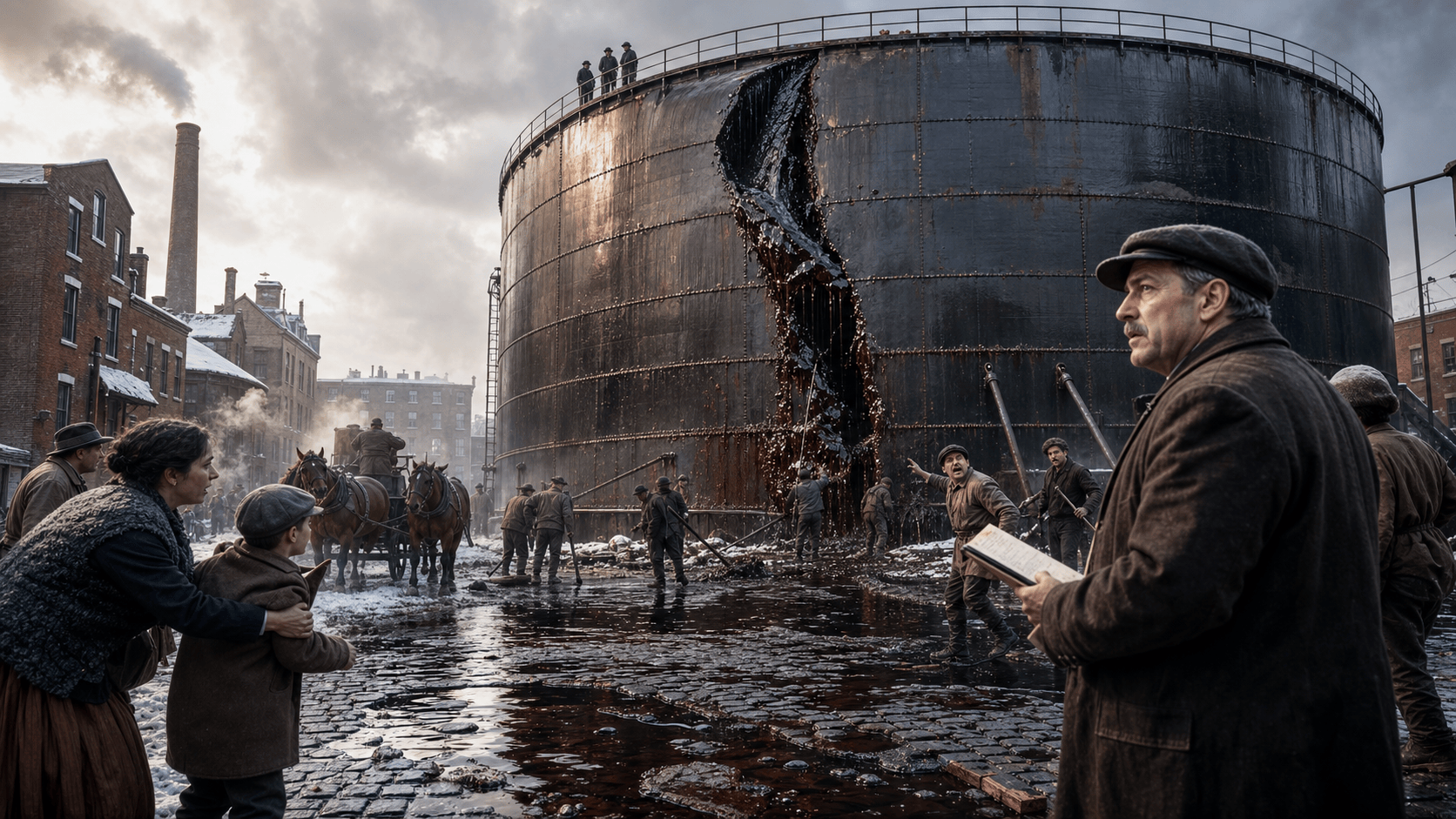
Before Boston was hit by a wave of molasses in 1919, people already knew something was wrong with the tank. For those of you unfamiliar with molasses… it’s a thick, dark syrup left over from making sugar.
The massive 50 foot tall storage tank in the North End had reportedly leaked for years. Locals said it made strange groaning noises. Some children even collected molasses that dripped from the seams, which sounds charming until you remember the “free candy wall” was attached to a giant industrial hazard.
Then, on January 15, 1919, the tank burst.
A huge wave of molasses rushed through the streets, smashing buildings, tossing debris, trapping horses, and killing 21 people. Dozens more were injured. The thing people had joked about, complained about, and worked around had suddenly become a disaster.
That is what makes the warnings so unsettling. This was not some invisible danger hiding underground. The tank leaked. It groaned. It gave signs. People noticed.
And still, it stayed there until the neighborhood had to learn the hard way that molasses is only funny when it is in a jar.
#4 The Titanic Ice Warnings
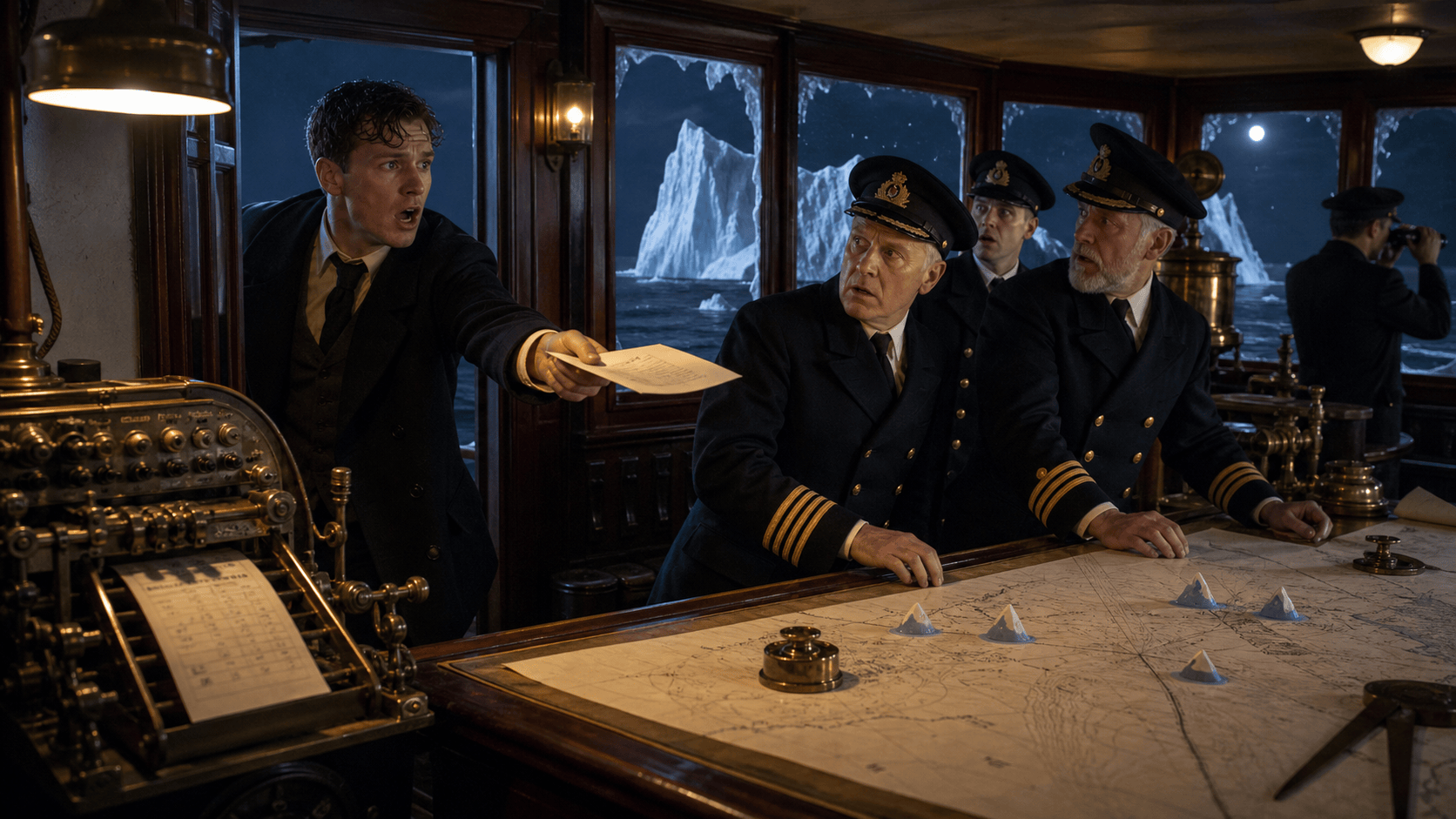
The Titanic did not sail into the North Atlantic with no idea ice was out there.
On April 14, 1912, the ship received multiple warnings from other vessels about ice in the area. Some messages were passed along. Others were not treated with the urgency they deserved. Meanwhile, the Titanic continued moving quickly through a cold, dark ocean full of exactly the thing everyone should have been worried about.
The most famous missed warning came from the nearby ship Mesaba, which reported heavy pack ice and icebergs ahead. That message reached the Titanic’s wireless room but apparently never made it to the bridge.
That detail is hard to sit with. Not because one message alone would magically rewrite history, but because it shows how danger can be present, documented, and still fail to reach the people who need it most.
By the time the iceberg was spotted, there was almost no time left. The warning signs had been there. The ocean had been sending notes. Titanic just kept going.
#3 The Aberfan Disaster Warnings
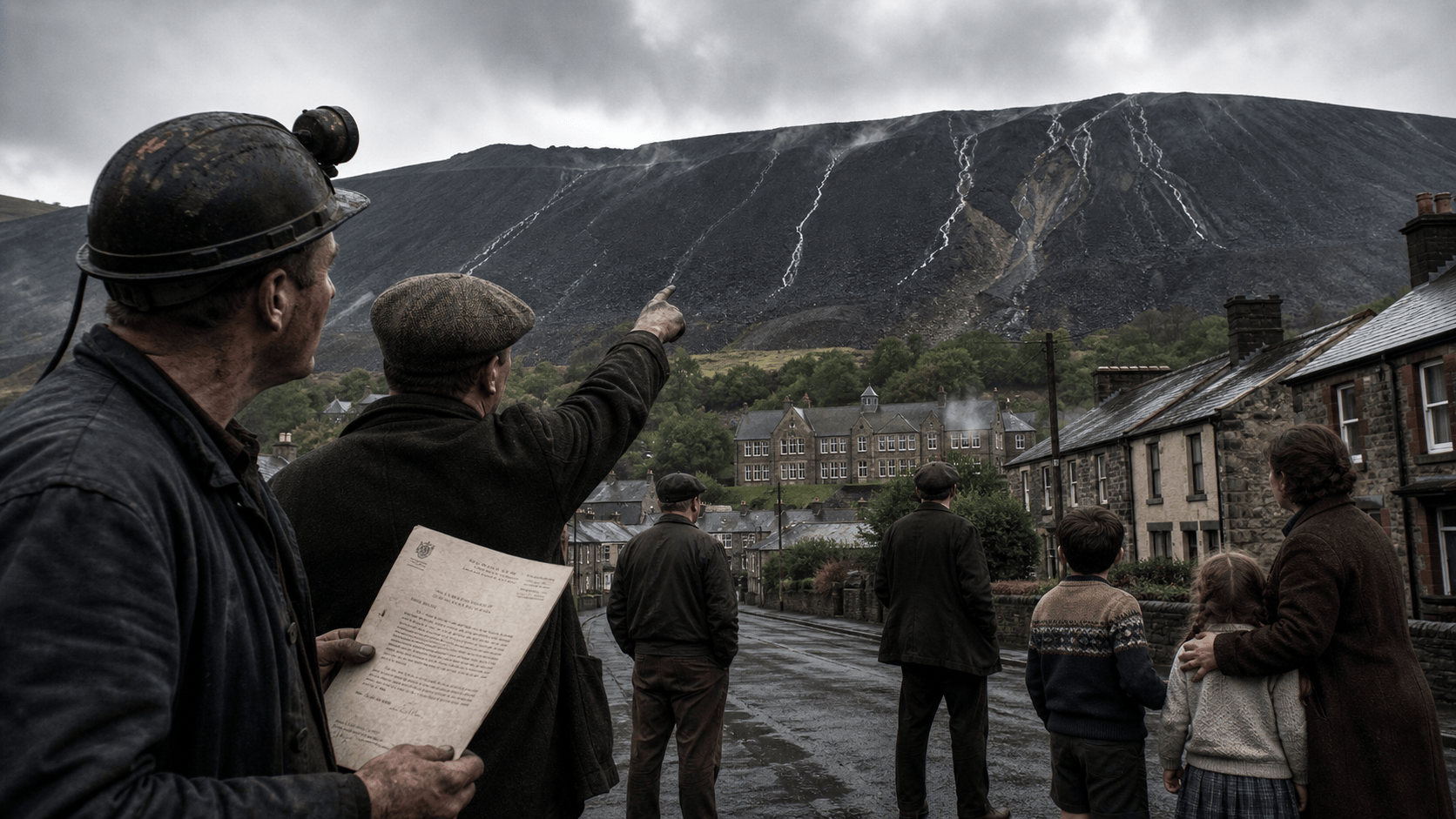
Before the disaster in Aberfan, people had already worried about the coal waste sitting above the village.
For years, mining waste had been piled on the hillside above Aberfan in Wales. One of those piles, known as Tip 7, sat over natural springs. That mattered. Water and loose coal waste are not exactly a friendship built on trust.
Local concerns had been raised before. People worried about the stability of the tips. The danger was not some mysterious force waiting in the dark. It was sitting above homes and a school, growing heavier and wetter.
On October 21, 1966, Tip 7 collapsed.
A black wave of coal slurry slid down the hillside and buried part of the village, including Pantglas Junior School. In total, 144 people died. Most of them were children.
This is where the idea of an ignored warning becomes hardest to read. Because this was not just a bad decision on paper. It was a village living underneath a known danger, with people asking questions that should have been treated like alarms.
Aberfan is not creepy because it sounds strange. It is creepy because the warning signs were there, and the people closest to the danger understood them better than the people with the power to act.
#2 The Challenger O-Ring Warnings
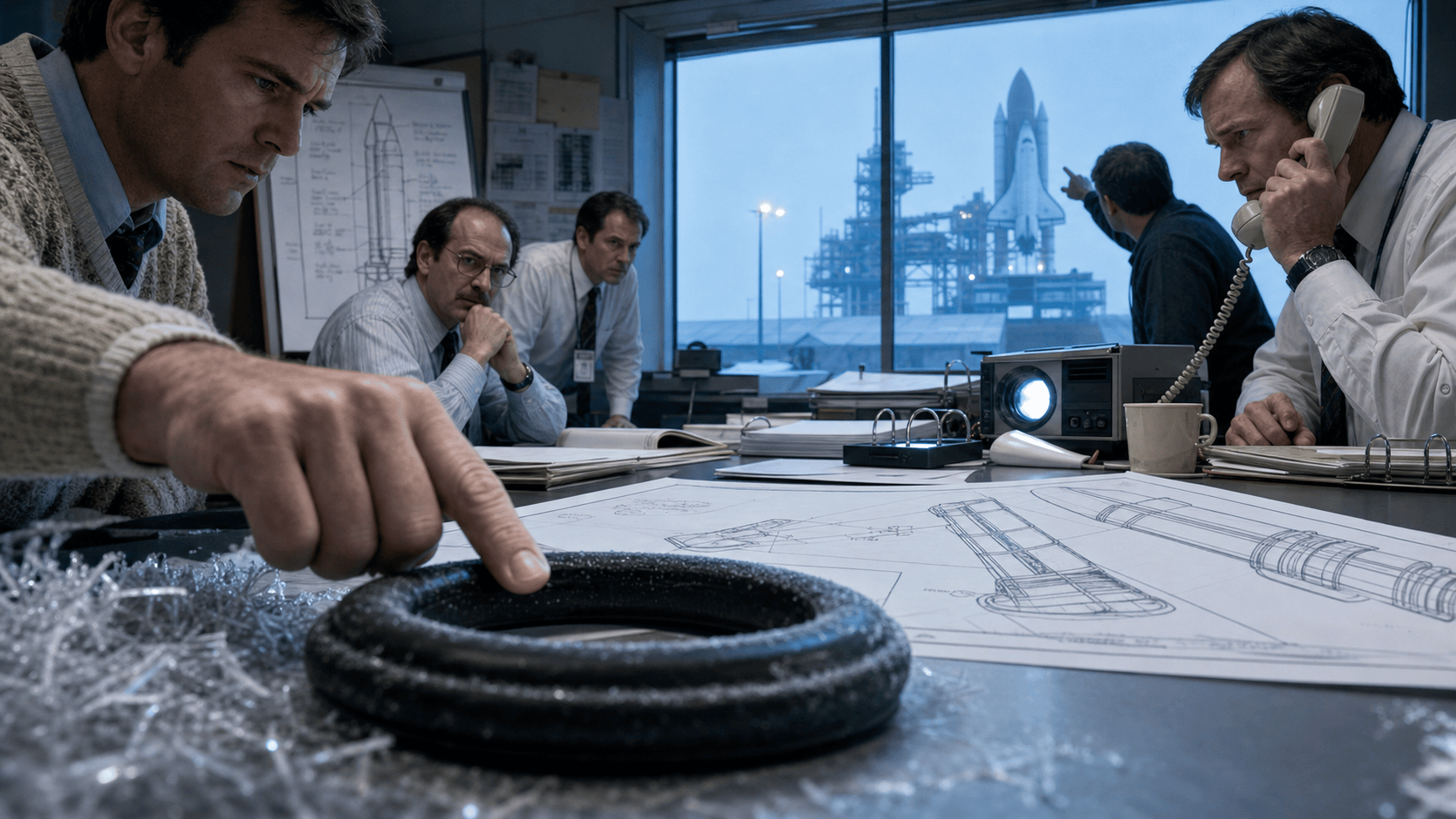
The Challenger disaster did not begin in the sky. It began in meetings, concerns, and warnings that did not stop the launch.
Before the space shuttle Challenger lifted off on January 28, 1986, engineers had raised concerns about the cold weather. The issue centered on rubber O-rings in the shuttle’s solid rocket boosters. In low temperatures, they might not seal properly.
That sounds technical, but the basic problem was simple: a small part needed to work perfectly, and some of the people who understood it best were worried it might not.
Engineers from Morton Thiokol warned against launching in the unusually cold conditions. The concerns were debated. Pressure mounted. The launch went forward.
Seventy-three seconds after liftoff, Challenger broke apart. Seven crew members died.
The awful part is how ordinary the warning looked before it became historic. It was not a glowing red button labeled “disaster.” It was data, temperature, risk, and people in a room trying to explain why waiting might be the smarter choice.
Sometimes the warning does not look cinematic. Sometimes it looks like an engineer saying, “This may not hold,” and not enough people listening.
#1 The Vajont Dam Warnings
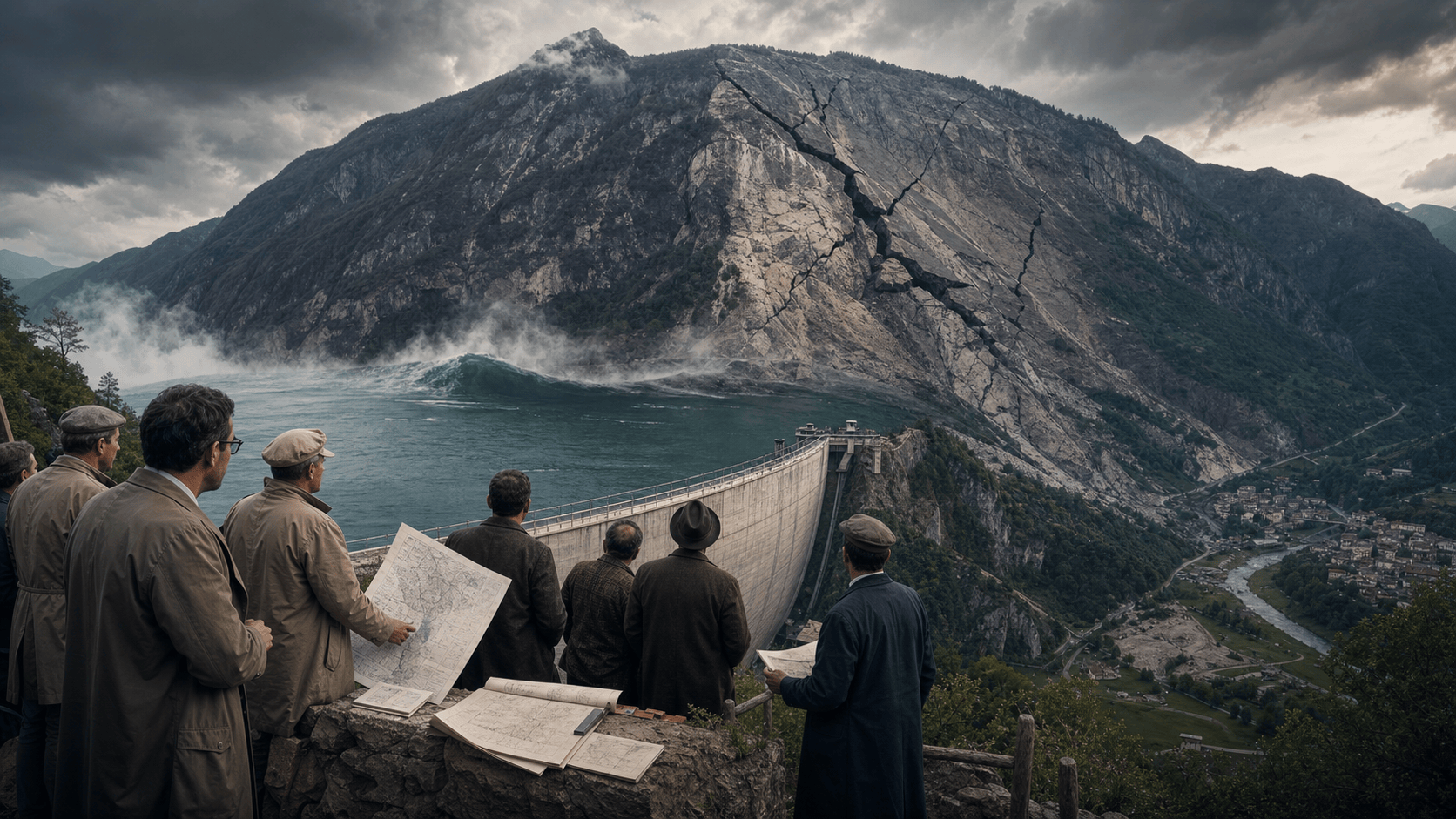
The Vajont Dam itself did not fail. That is part of what makes the disaster so unsettling.
The danger was the mountain beside it.
In northern Italy, the Vajont Dam was built below Monte Toc, a mountainside that had shown signs of instability. There were landslides in the area. There were concerns. There were warnings that the slope could move into the reservoir.
On October 9, 1963, that fear became real.
A massive section of the mountain slid into the water behind the dam. The impact sent an enormous wave over the top, rushing into the valley below. The dam remained standing, but the wave destroyed towns and villages. Around 2,000 people died.
That detail almost makes it worse. The structure people think of as the disaster did not crumble like a movie scene. It stood there while the water went over it and did the damage anyway.
Vajont is one of those stories where the warning signs feel painfully clear afterward. The mountain was unstable. The reservoir was there. The risk had been discussed. And still, the people below were left in the path of a disaster that did not need the dam to break in order to ruin everything.
Leave a Reply