

Some criminals are caught by genius detectives. Others are caught because they forgot the universe has a petty side.
A lot of famous crimes look carefully planned from a distance. There are disguises, getaway routes, fake names, secret meetings, hidden evidence, and people making the kind of choices that suggest confidence was present, even if wisdom had left the building.
But the tiny mistakes are usually what make the story.
A piece of tape left on a door. A pair of glasses dropped near a body. A parking ticket sitting in the wrong place at the wrong time. A floppy disk sent by someone who really should have asked fewer questions. A ransom bill handed over like regular money, as if cash does not sometimes carry a very long memory.
That is the strange thing about crime. The plan can be huge, dramatic, and terrifying. Then one tiny detail slips loose and starts pulling the whole thing apart.
Here are five crimes that were solved by tiny mistakes.
#5 Watergate
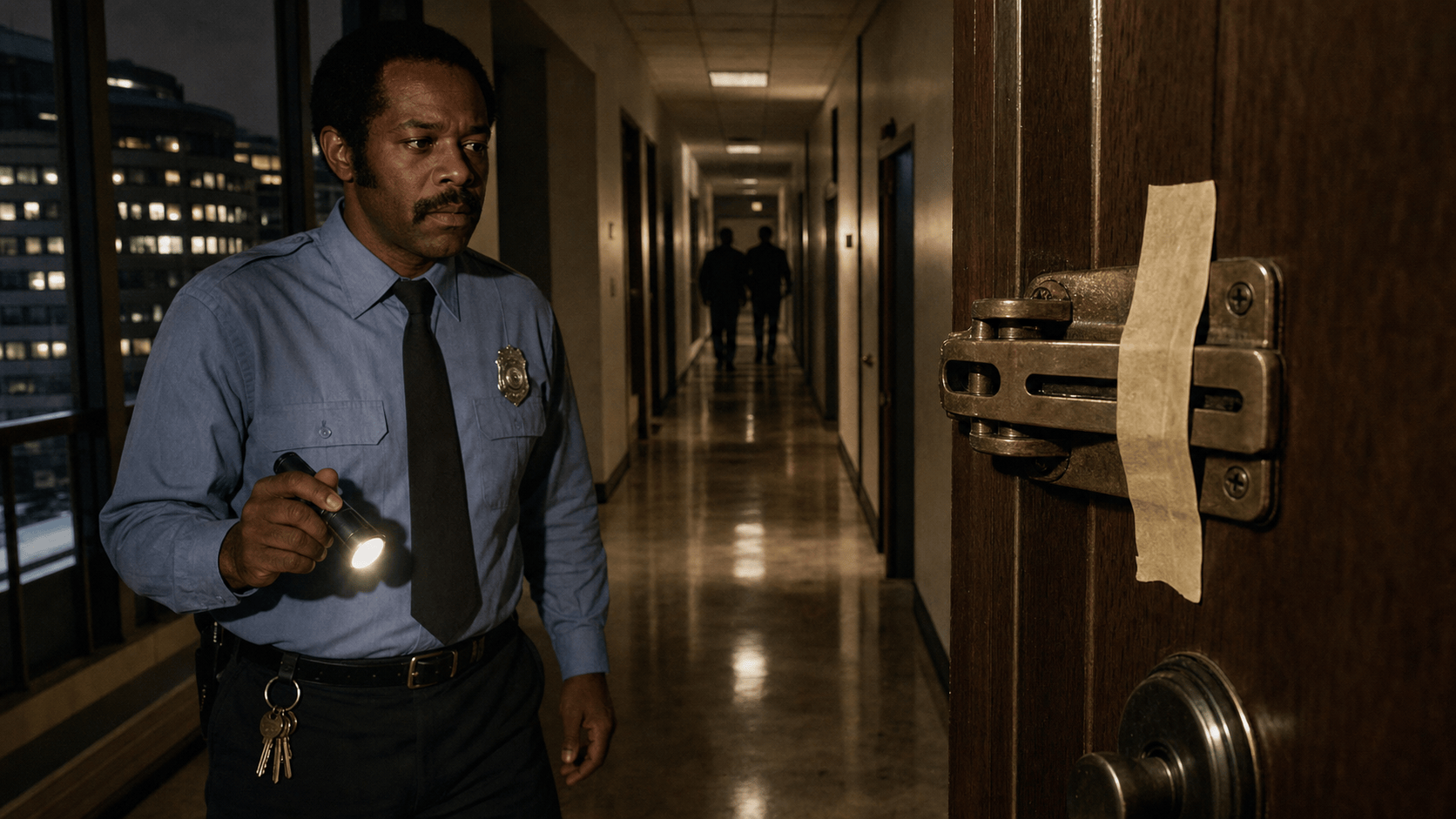
Watergate started with a piece of tape.
Which is a ridiculous sentence, considering where the story ended.
In June 1972, security guard Frank Wills was making his rounds at the Watergate office complex in Washington, D.C. when he noticed tape placed over a door latch. The tape kept the door from locking properly.
That is already suspicious, but also just boring enough that most people might talk themselves out of caring. Maybe maintenance did it. Maybe someone forgot. Maybe buildings are just weird.
Wills removed the tape and kept going.
Then he came back later and saw that the door had been taped again.
That second piece of tape changed everything.
Wills called the police, and officers found five men inside the Democratic National Committee offices. What looked like a small break-in became the start of a massive political scandal involving burglary, wiretapping, cover-ups, investigations, and eventually the resignation of President Richard Nixon.
All because someone noticed tape on a door.
That is what makes Watergate such a perfect opener for this list. The mistake was not dramatic. Nobody dropped a signed confession into a fountain. Nobody left a business card that said “professional criminal, ask for Steve.”
It was tape.
Tiny. Cheap. Easy to miss.
And somehow, it helped pull one of the biggest scandals in American history into the light.
#4 Leopold and Loeb
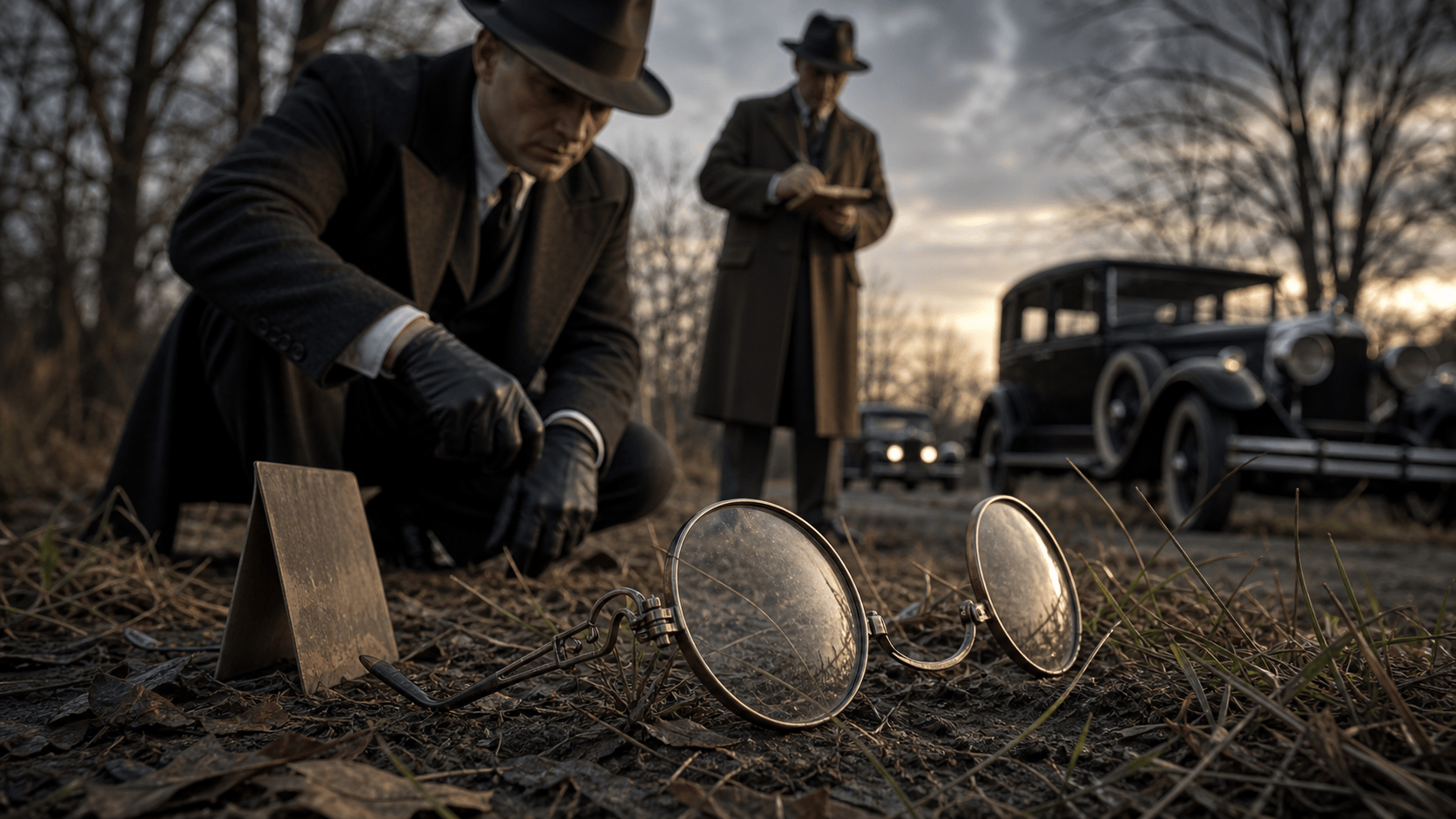
Nathan Leopold and Richard Loeb thought they could commit the “perfect crime.”
That should usually be the first sign that perfection has already left the room.
In 1924, the two wealthy Chicago students kidnapped and murdered 14-year-old Bobby Franks. Their plan was cold, arrogant, and built around the idea that they were too intelligent to get caught.
Then police found a pair of glasses near the body.
At first, glasses might not sound like much. Plenty of people wear glasses. That is not exactly rare evidence. But these were different. The frames had an unusual hinge, and investigators traced that hinge to only a few people in Chicago.
One of them was Nathan Leopold.
That tiny detail cracked open the case.
Leopold tried to explain that the glasses must have fallen out of his pocket during a bird-watching trip. Which is one of those explanations that technically contains words, but does not exactly improve the mood in the room.
The glasses were not the only thing that brought them down, but they were the kind of mistake that made their perfect-crime fantasy start falling apart.
That is the irony.
They planned the crime like they were smarter than everyone else.
Then a pair of glasses quietly disagreed.
#3 Son of Sam
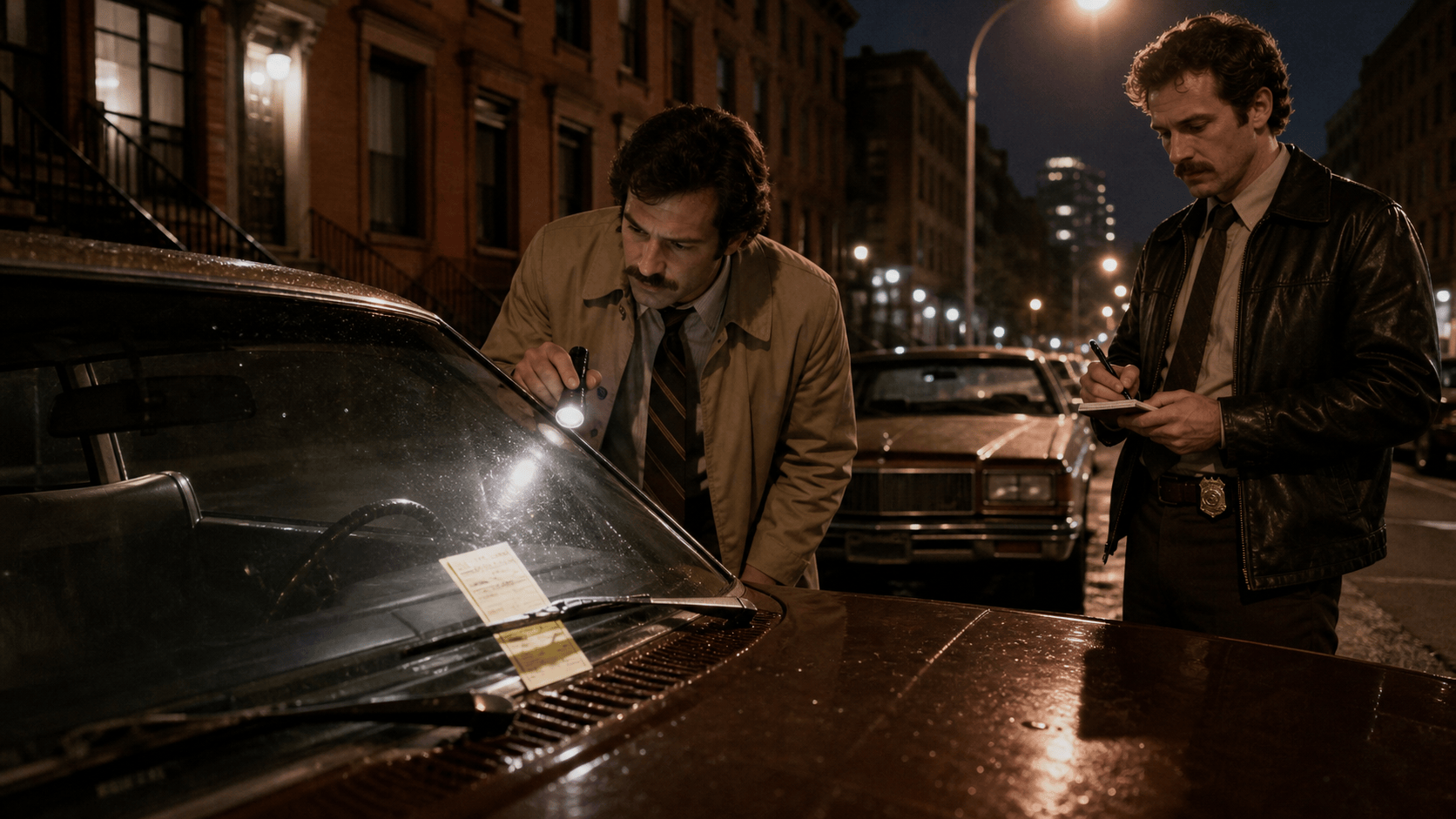
David Berkowitz, known as the Son of Sam, terrified New York City in the 1970s.
For more than a year, the shootings created panic, headlines, police pressure, and a citywide feeling that nobody knew where the next attack might happen. The case felt huge. Messy. Frightening. Almost impossible to get a clean grip on.
Then came a parking ticket.
After one of the attacks, a witness reported seeing a man near the scene. Police later looked into cars that had been ticketed in the area around that time. One of those tickets helped lead them to Berkowitz.
That is such a painfully normal detail to be sitting inside such a dark case.
A parking ticket is supposed to ruin your afternoon, not help end a manhunt. It is the kind of paper people crumple into glove compartments and complain about for three business days.
But in this case, it mattered.
The ticket helped connect Berkowitz to the area, and investigators eventually found more evidence linking him to the crimes. He was arrested in 1977.
This is why small details matter in investigations. A witness statement. A plate number. A ticket. A time stamp. The stuff that looks boring until it suddenly becomes the hinge the whole case swings on.
For Berkowitz, the mistake was not some grand criminal slip-up.
It was being near the wrong curb at the wrong time.
#2 BTK
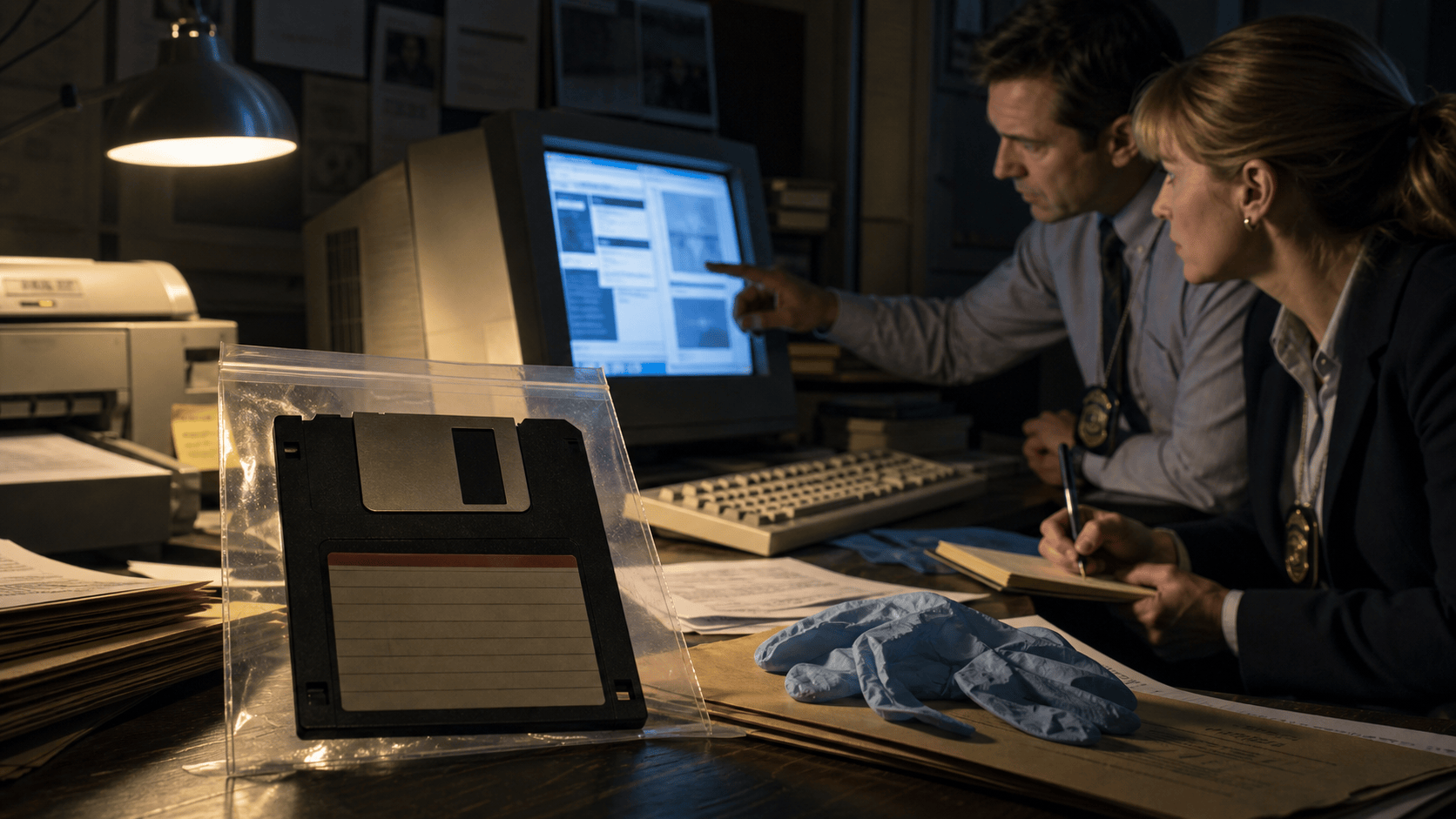
Dennis Rader spent years taunting police.
That is part of what makes the BTK case so disturbing. He did not just commit murders. He communicated. He played games. He seemed to enjoy the idea that investigators were listening but not catching him.
Then, decades after his crimes began, he made the kind of mistake that feels almost unbelievable.
He asked police whether a floppy disk could be traced.
Police said it was safe.
It was not.
Rader sent them a disk, and investigators found metadata on it that pointed to a computer at a church. The information helped lead them to Rader, who was president of that church’s congregation.
That is where the whole thing turns from horrifying to absurd in the bleakest possible way.
A man who had spent years trying to control the story was undone by a file. Not a dramatic chase. Not a secret witness appearing at the last second. A floppy disk doing exactly what technology does best: quietly preserving information someone did not realize was still there.
Investigators also used other evidence, including DNA, to build the case. But the disk was the crack in the wall.
For all the arrogance, all the taunting, all the control he thought he had, Rader trusted the wrong answer to a very important question.
And that tiny digital trail helped end the game
#1 The Lindbergh Kidnapping

The Lindbergh kidnapping was one of the most famous crimes of the 20th century.
In 1932, Charles Lindbergh Jr., the young son of aviator Charles Lindbergh, was kidnapped from the family home in New Jersey. The case became a national obsession almost immediately. Ransom notes. Public panic. Endless headlines. A famous family trapped in every parent’s worst nightmare.
The case did not break open because of one huge dramatic discovery.
It came down, in part, to a bill.
The ransom money had been marked and tracked by serial numbers. Over time, some of those bills began showing up. Then, in 1934, a gas station attendant received one of the suspicious bills from a customer.
The attendant noticed something felt off and wrote down the customer’s license plate number.
That small decision mattered enormously.
The plate helped lead investigators to Bruno Richard Hauptmann. When police searched further, they found ransom money connected to the kidnapping. Hauptmann was arrested, tried, and convicted.
The case remains debated by some people, and not every detail has escaped controversy. But the license plate note is still one of the clearest examples of a tiny observation changing the direction of a massive case.
That is why it gets the top spot.
A ransom plot. A national investigation. One of the most famous crimes in American history.
And one gas station attendant paying attention to a bill that did not feel right.