

Sometimes the excuse is so strange you almost forget there was a crime.
Some alibis are supposed to make a case simpler. These somehow made everything weirder.
Instead of clearing things up, they added hiding husbands, sleepwalking burglars, illegal diesel, identical twins, and one brothel story that absolutely did not improve with details.
Here are five alibis that were stranger than the case itself.
#5 The Burglar Who Claimed He Was Just Hiding From His Wife
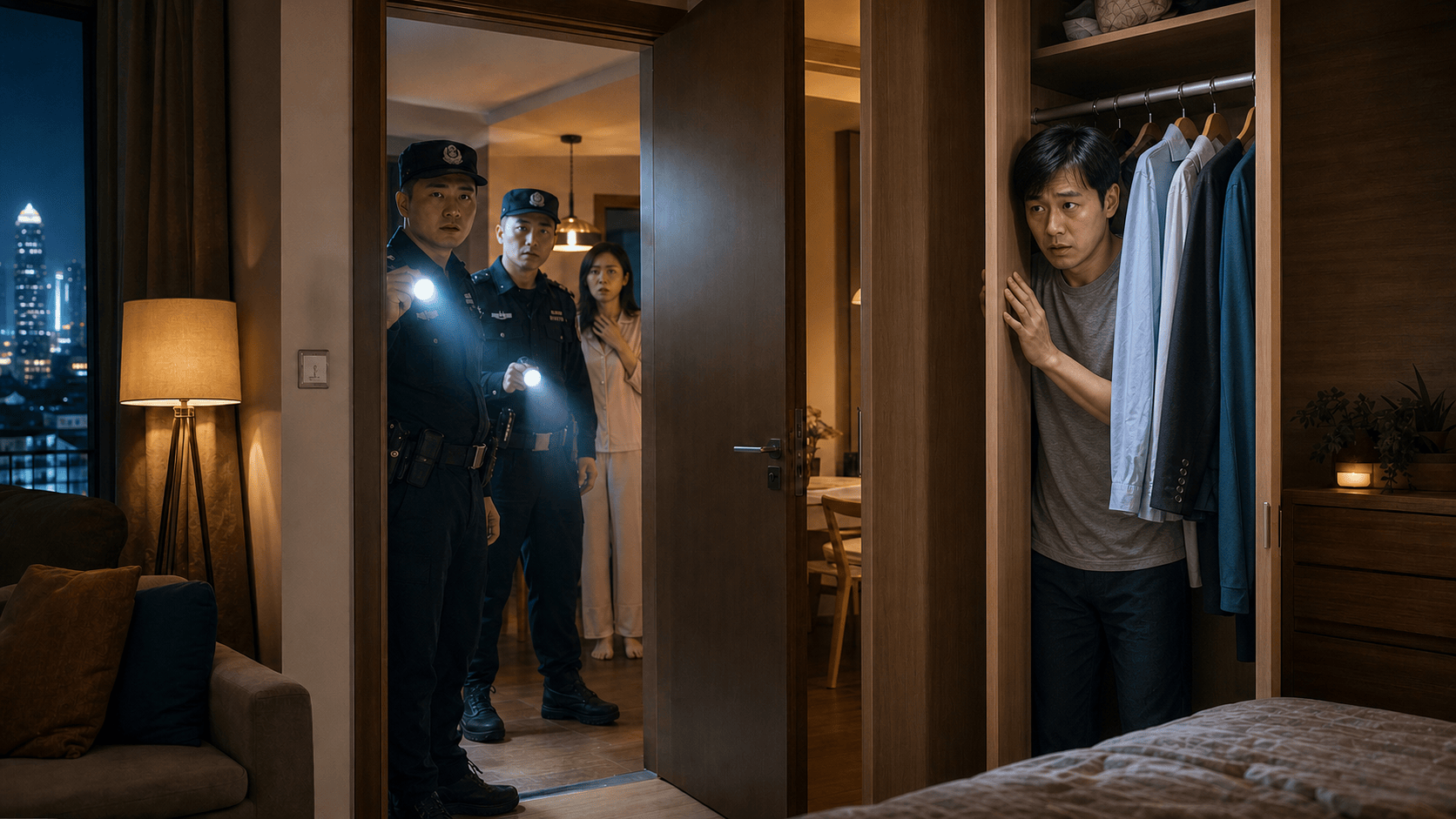
This one is technically less “criminal mastermind” and more “grown man made one bad household decision and accidentally involved the police.”
In July 2018, in Hangzhou, China, a man identified by the surname Ding reportedly decided to skip work and stay home playing mobile games. The problem was that he did not want his wife, identified as Li, to know. So when Li came back home and found the door locked from the inside, with noises coming from the apartment, she thought someone had broken in.
That part is actually understandable. A locked door, strange sounds, and nobody answering is a pretty efficient way to ruin an afternoon.
Li called the police. Officers arrived expecting a burglary. Instead, they found Ding hiding in a wardrobe.
There was no burglar. There was no elaborate criminal plot. Just a man who apparently decided that admitting he skipped work to play games was worse than letting everyone believe there might be an intruder in the house.
As alibis go, it is not exactly courtroom history. But it earns a spot here because the whole thing started as a suspected break-in and ended with one of the strangest explanations police could have found behind a closet door.
“I was hiding from my wife” is not a sentence you want to say to officers, but at least it cleared up the burglary.
#4 Mark Nowak and the Sleepwalking Burglary Defense
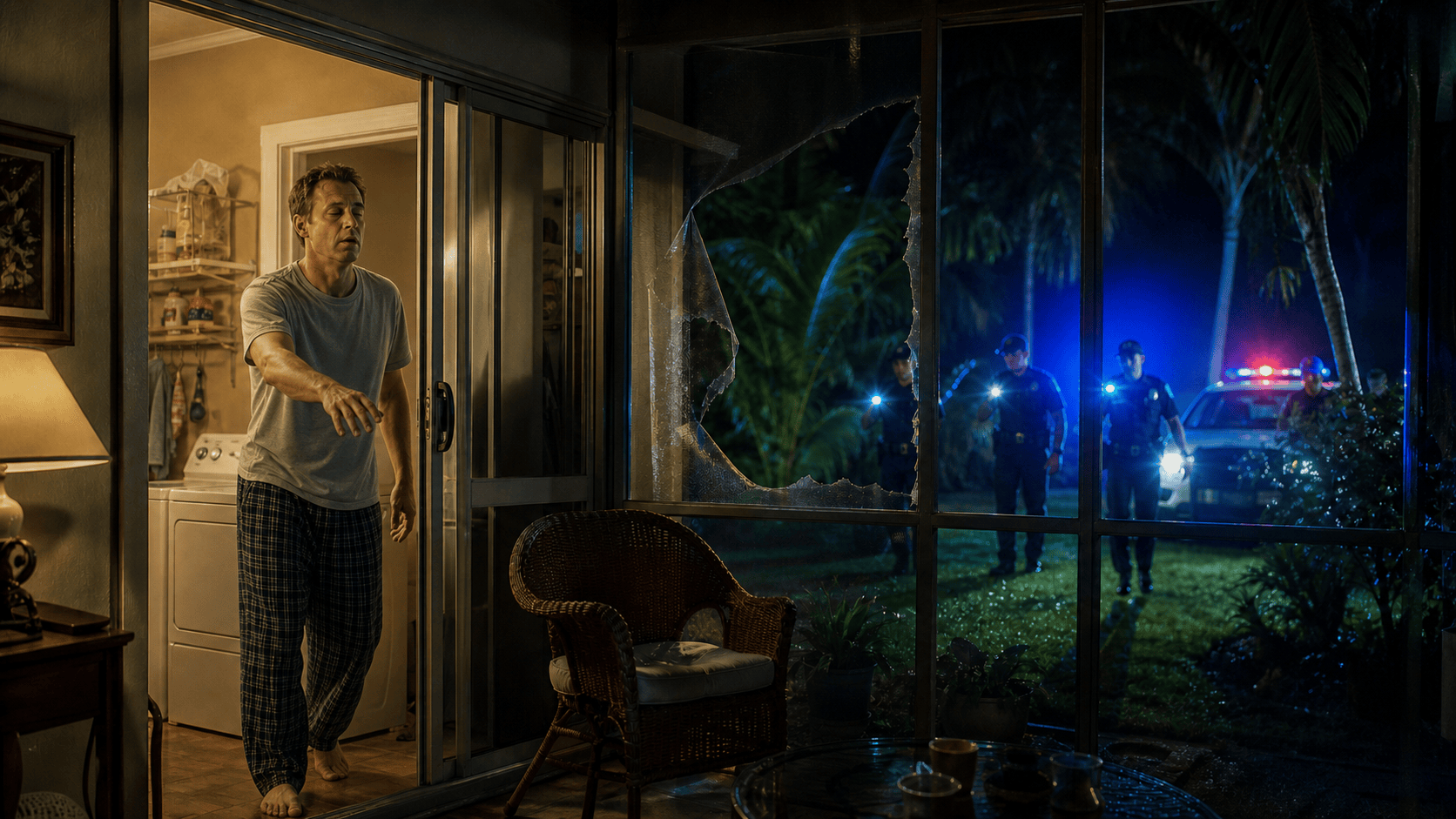
In 2015, Mark Nowak of Naples, Florida, tried one of the stranger explanations you can bring into a burglary case: he said he had been sleepwalking.
Nowak had been accused of breaking into a neighbor’s house. Prosecutors said he cut through a screened porch area, forced open a sliding glass door, disabled an alarm, and rummaged through the home. When police arrived, authorities said he barricaded himself in a laundry room and later tried to escape in the neighbor’s vehicle.
That is a lot of activity for an accidental midnight stroll.
Nowak testified that he had mixed medications and lost memory of several hours. His defense argued that he had been sleepwalking during the incident, which would make the whole thing less “planned burglary” and more “the human brain opened the wrong file at 2 a.m.”
The jury did not buy it.
He was convicted of burglary, theft, and resisting arrest, and in November 2015 he was sentenced to five years in prison.
The weird part is that sleepwalking has shown up in real criminal defenses before. Courts have had to take it seriously in some cases. But here, the details were hard to explain away. Cutting through a lanai, disabling an alarm, going through someone’s house, hiding from police, and trying to leave in a vehicle is not exactly what most people picture when they hear “sleepwalking.”
At some point, the alibi stops sounding like a medical episode and starts sounding like a very busy nap.
#3 Aaron Brady and the “I Was Laundering Diesel” Alibi
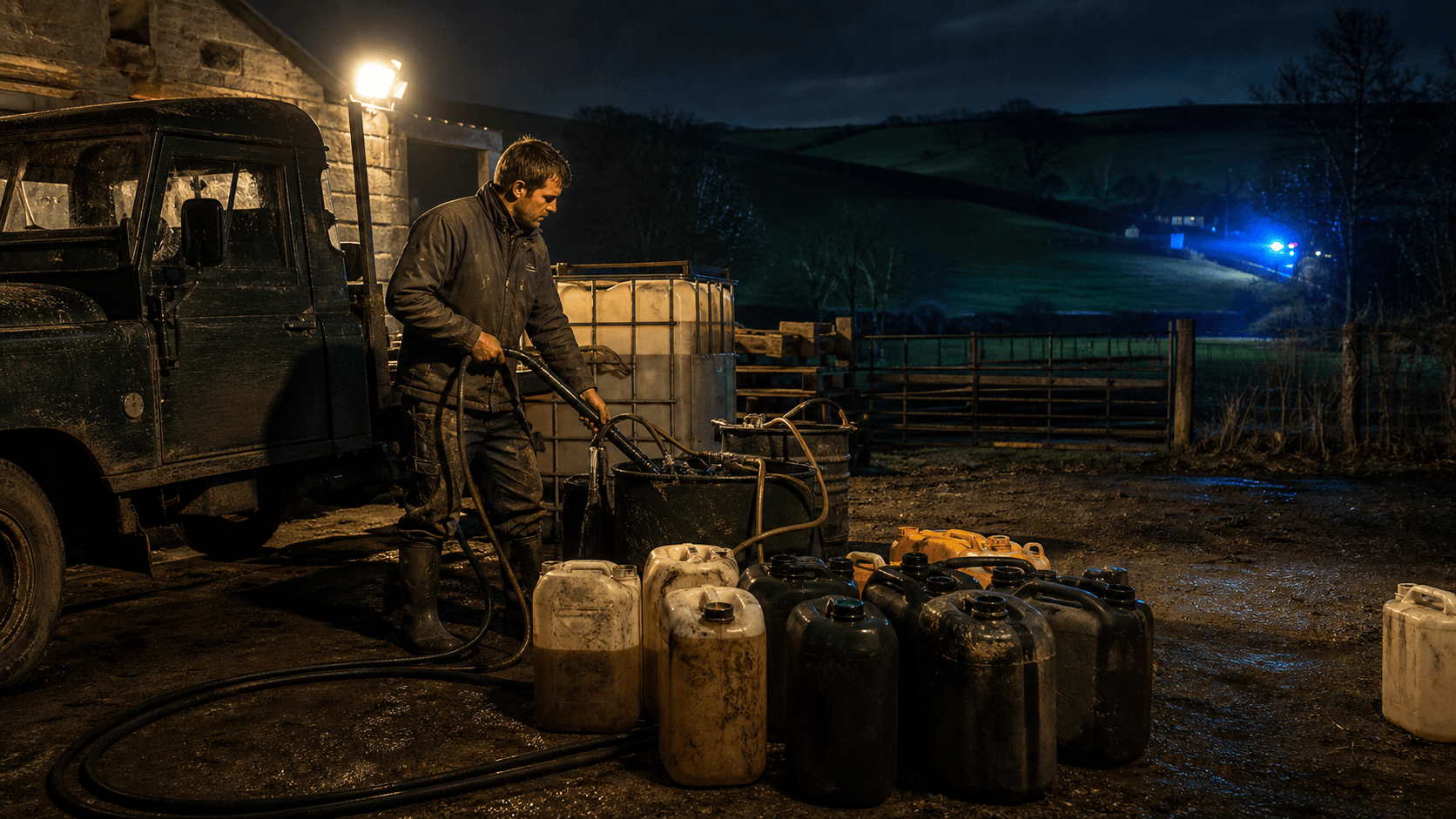
Aaron Brady’s alibi had a strange problem built into it: if people believed him, he was still admitting to something illegal.
In 2020, Brady was on trial in Ireland for the capital murder of Detective Garda Adrian Donohoe, who was shot during a robbery at Lordship Credit Union in County Louth on January 25, 2013. Brady denied being involved. His explanation was that he had been somewhere else that night, loading waste from laundered diesel at a yard in South Armagh.
For anyone not fluent in very specific illegal side hustles, diesel laundering usually means removing dye from cheaper marked fuel so it can be sold as regular road diesel. So the defense was not exactly, “I was home reading quietly.” It was closer to, “I could not have been doing that crime because I was busy with this other crime-adjacent situation over here.”
That is a strange card to play, but you can see the logic. A smaller illegal act is still better than a murder charge. That is not a moral victory, exactly. More like choosing the least terrible chair in a room full of bad chairs.
The prosecution argued that Brady’s alibi came too late and had been shaped around the evidence. According to reports from the trial, Brady had first given different accounts of where he was, then later claimed he had lied because he did not want to expose his involvement in diesel laundering.
The jury rejected his explanation. Brady was found guilty of capital murder and robbery, and later sentenced to a minimum of 40 years in prison.
As alibis go, it was memorable. Most people try to prove they were somewhere innocent. Brady tried to prove he was somewhere illegal enough to be believable, but not illegal enough to explain a murdered detective.
#2 Hassan and Abbas O. and the Identical Twin Problem
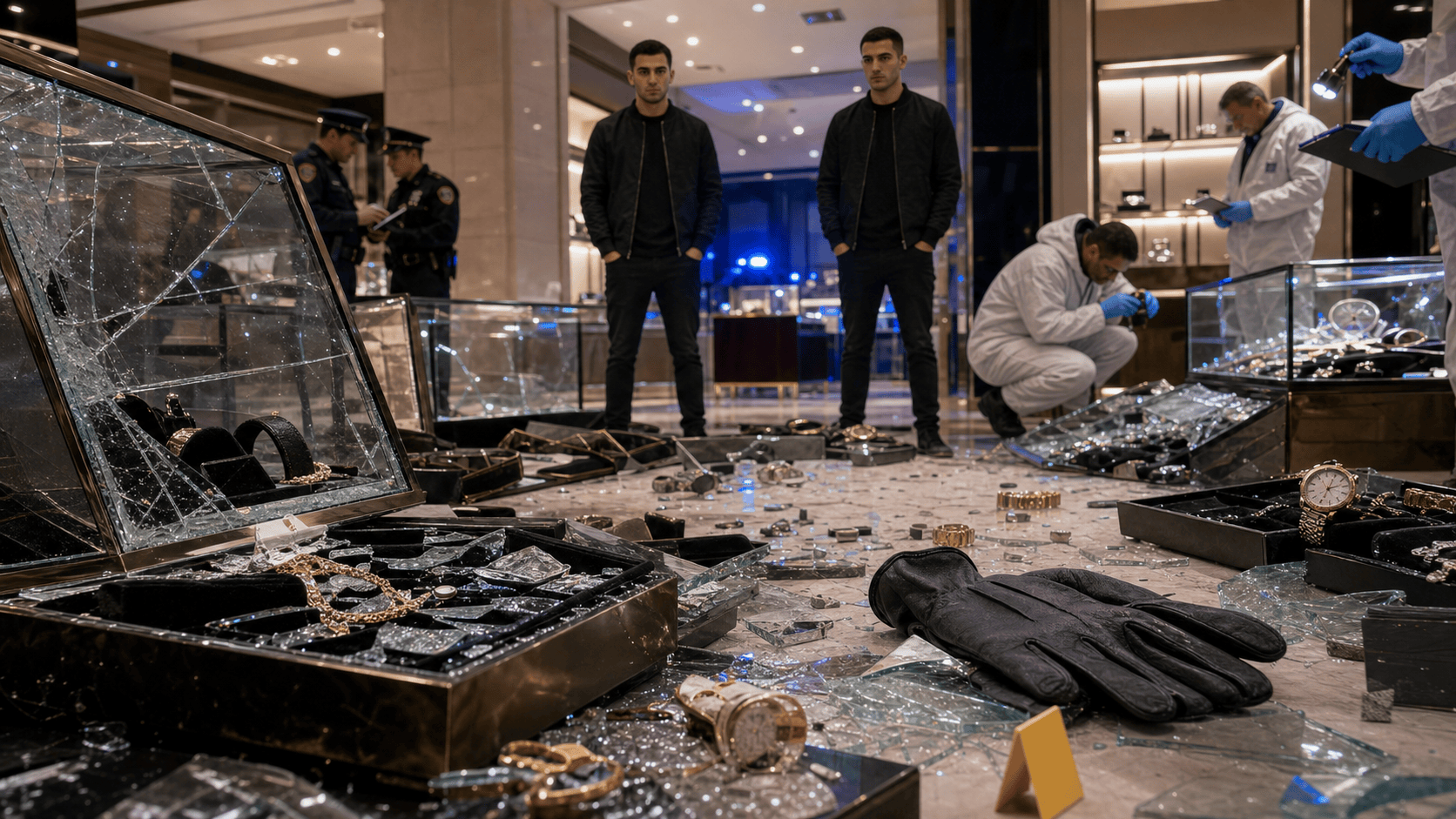
In January 2009, thieves broke into Kaufhaus des Westens, better known as KaDeWe, one of Berlin’s most famous department stores. They came in through the roof, slid down into the building, smashed into display cases, and escaped with millions of dollars’ worth of jewelry and watches.
Then police found something that usually makes investigators very happy: DNA.
A trace of sweat was reportedly found on a discarded glove at the scene. That should have been a huge break. DNA evidence is the kind of thing prosecutors love because it walks into court wearing a tiny lab coat and looking very confident.
Except there was a problem.
The DNA pointed toward two suspects, Hassan O. and Abbas O., who were identical twin brothers. Standard DNA testing could not clearly tell which brother had left the trace behind. And under German law, prosecutors needed to prove which person was responsible, not just point at two nearly identical options and hope the courtroom picked one.
That is where the case got strange. It was not exactly a normal alibi. It was more like biology itself walked in and said, “Good luck with this.”
Both brothers were released because the evidence could not prove which twin had been involved. Police believed one or both may have been connected to the heist, but belief is not the same thing as proof. Especially when the proof has a twin brother standing right next to it.
It is one of those cases where the defense did not need a complicated story. The weirdness was already built in. If the main evidence says, “It was definitely one of these two,” but cannot say which one, that is not a slam dunk.
suspicion can point in a direction. A conviction needs to point to a person.
#1 Sef Gonzales and the Brothel Alibi
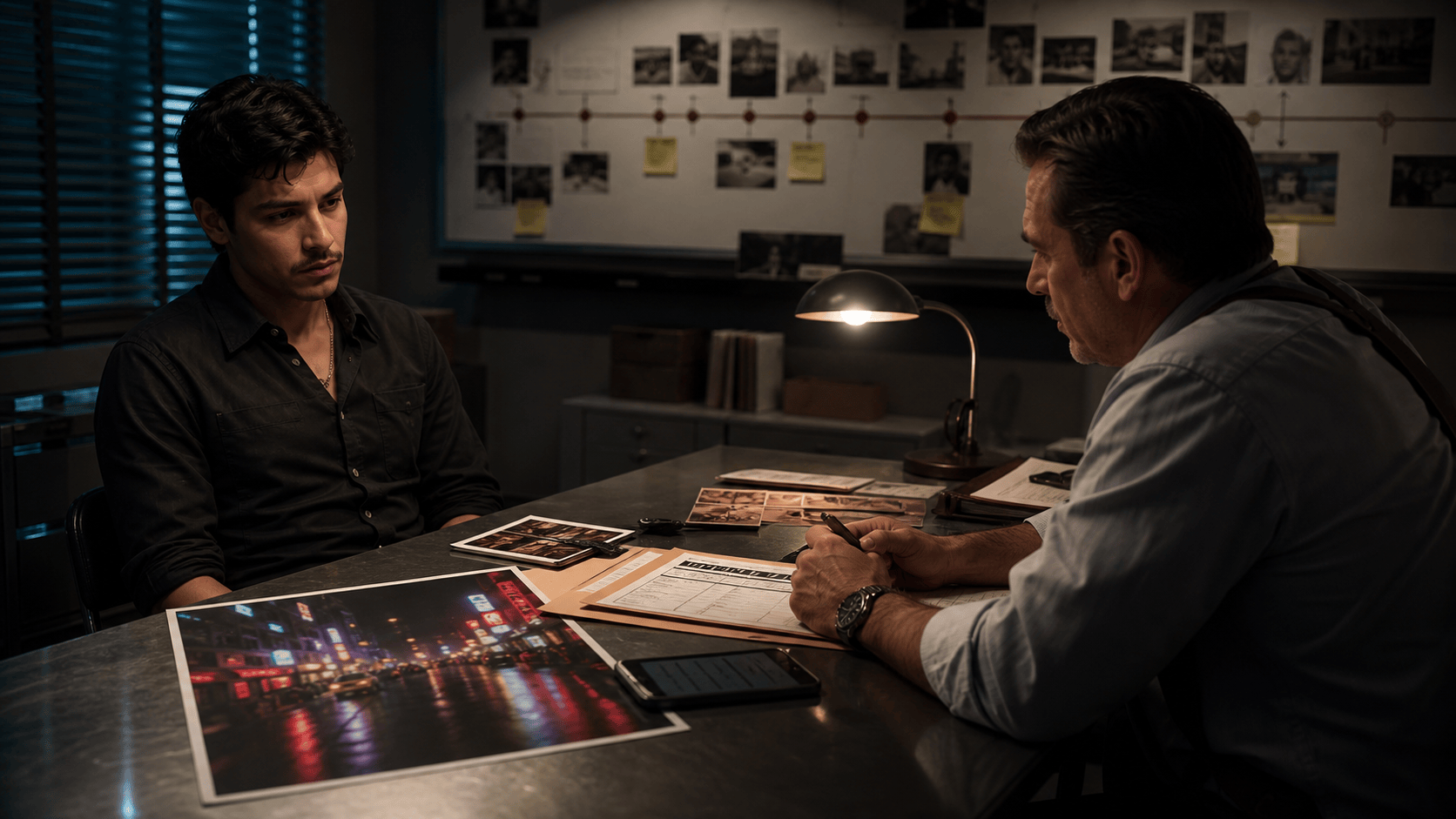
Sef Gonzales did not just have one strange alibi. According to prosecutors, he had several.
In July 2001, Gonzales’s parents, Teddy and Mary Gonzales, and his sister, Clodine, were murdered in their home in North Ryde, Sydney. Gonzales, who was 20 at the time, denied killing them and gave police different explanations for where he had been that night.
One of the strangest was that he had been at a brothel called La Petite Aroma.
That is already an uncomfortable alibi to put in front of a courtroom. But prosecutors said it got stranger. They alleged Gonzales claimed he had gone to the brothel on the night his family was killed, and that he even paid a cab driver to say he had taken him there. According to an ABC News report from 2003, prosecutors also alleged that Gonzales later called the brothel while pretending to be a police officer, asking about workers’ rosters in an effort to strengthen his story.
That is not just an alibi. That is an alibi with homework.
The problem was that the story did not hold. At trial, prosecutors argued that Gonzales had created a string of false explanations to cover his tracks, including the brothel claim, fake death threats, and other attempts to point suspicion somewhere else.
In 2004, Gonzales was found guilty of murdering his parents and sister. He was sentenced to three life sentences.
The brothel alibi lands at number one because it has almost everything this list is about. It was embarrassing enough that someone might think it sounded believable, complicated enough to require other people backing it up, and desperate enough to make the whole thing feel worse the longer you look at it.
A good alibi is supposed to remove suspicion. In this case, it gave prosecutors more to question.
In the end, these cases were not just about strange excuses. They were about how one detail can change the direction of an investigation.
Sometimes that detail is a weak alibi. Sometimes it is a receipt, a fingerprint, or one tiny mistake that pulls the whole case apart.
Leave a Reply