

People changed history. So did the stuff making them cough.
History likes to pretend people are in charge.
Kings make plans. Armies march. Cities grow. Everyone acts like the future is being handled by adults with maps.
Then disease shows up and reminds everybody that the smallest thing in the room can still wreck the table.
Here are five diseases that changed the course of history.
#5 Smallpox
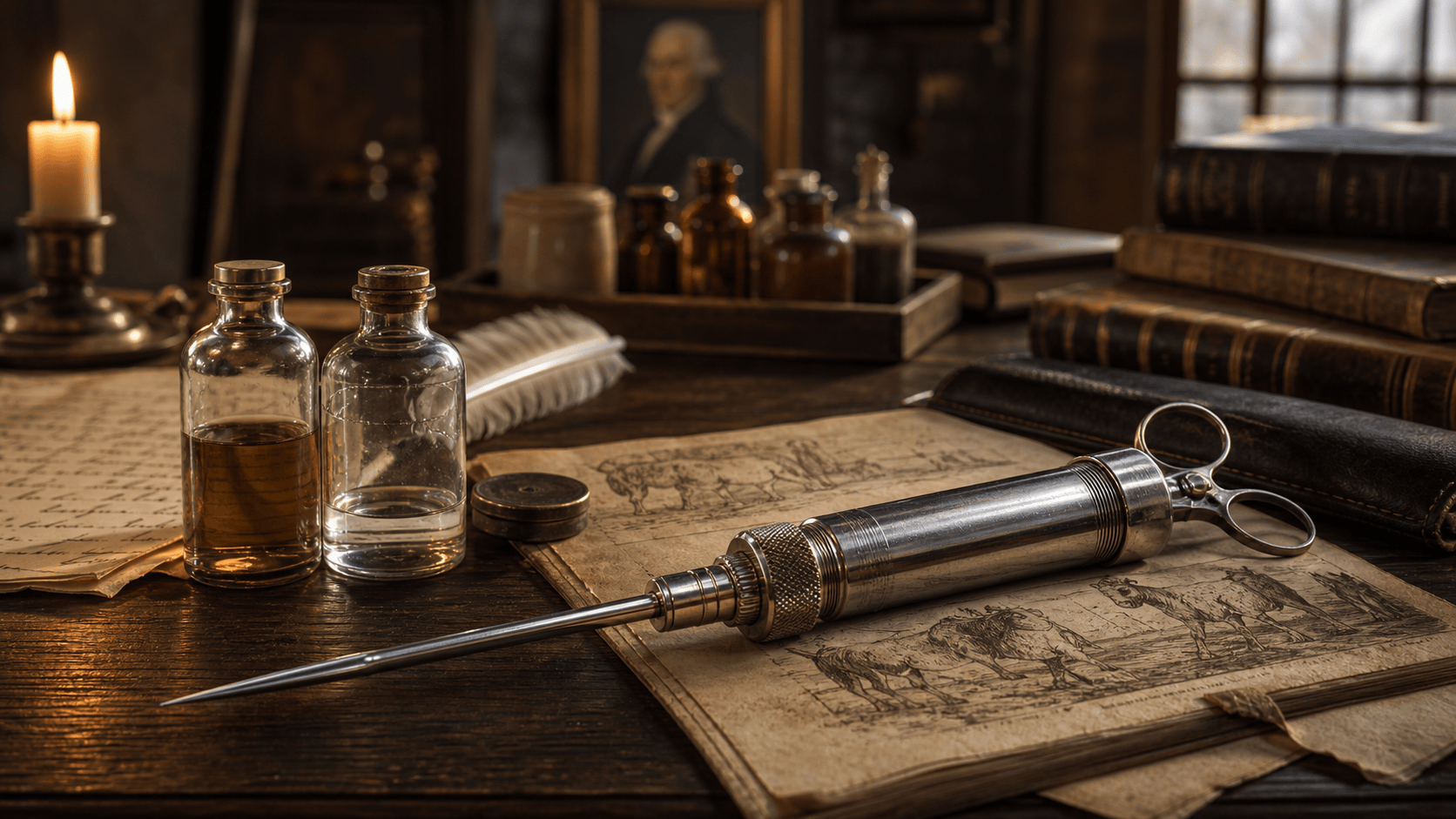
Smallpox was not just a disease. It was a historical wrecking ball with a fever.
For centuries, smallpox spread through communities with terrifying speed. Survivors were often left scarred, blinded, or permanently weakened. Many people did not survive at all. Before modern vaccination, it was one of the most feared diseases in the world, which is saying something, because history was not exactly short on terrifying options.
Smallpox changed empires. It devastated Indigenous populations in the Americas after European contact, helping reshape entire continents. It also affected wars, royal families, trade, and public health policy. Basically, if humans were gathering, traveling, conquering, or making terrible decisions near each other, smallpox found a way to join the meeting.
But smallpox also changed history in a very different way.
It helped lead to vaccination.
In the late 1700s, Edward Jenner showed that exposure to cowpox could protect against smallpox. That discovery did not instantly fix everything, because medicine rarely gets a clean movie ending. But it started one of the most important public health movements ever.
By 1980, smallpox was officially declared eradicated worldwide.
That is the strange legacy of smallpox. It caused unbelievable damage, but the fight against it also proved something huge: humans could organize, vaccinate, track a disease, and actually wipe it out.
For once, history looked at a nightmare and said, “No, we are done with this one.”
#4 Tuberculosis
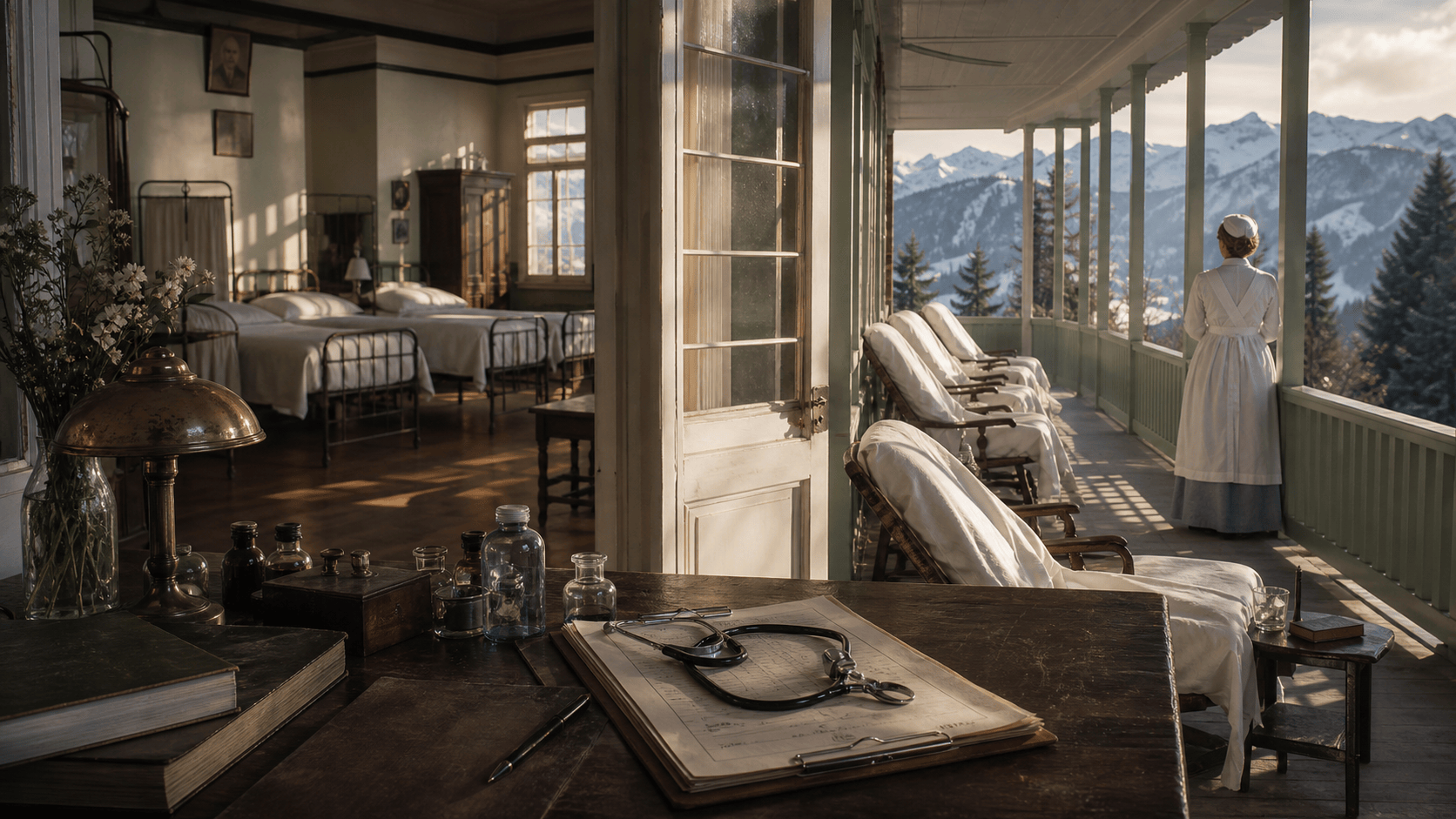
Tuberculosis is one of the rare diseases that somehow became terrifying and fashionable, which is not a sentence any disease should get to have.
For centuries, TB was one of the world’s great killers. It spread through the air, attacked the lungs, and could slowly drain a person over months or years. Before antibiotics, there was no simple cure. People coughed, weakened, lost weight, and often faded away while everyone around them hoped fresh air and optimism would somehow handle the situation.
But tuberculosis did not just change medicine. It changed culture.
In the 1800s, TB became strangely romanticized. Pale skin, thin bodies, bright eyes, and a fragile appearance were sometimes treated as signs of beauty or artistic sensitivity. Writers, poets, composers, and artists were linked to the disease so often that it became tangled up with ideas about genius and suffering.
Which is deeply uncomfortable.
The disease also helped create sanatorium culture. Patients were sent to mountain retreats or countryside facilities where doctors prescribed rest, sunlight, fresh air, and strict routines. Some of that helped. Some of it was medical guesswork wearing a clean white coat.
TB shaped architecture, public health campaigns, literature, fashion, and the way people talked about illness. It made people think differently about crowded housing, ventilation, and contagion.
So yes, tuberculosis was a medical crisis.
But it was also a cultural force, which is a very dramatic thing for a lung infection to become.
#3 Cholera
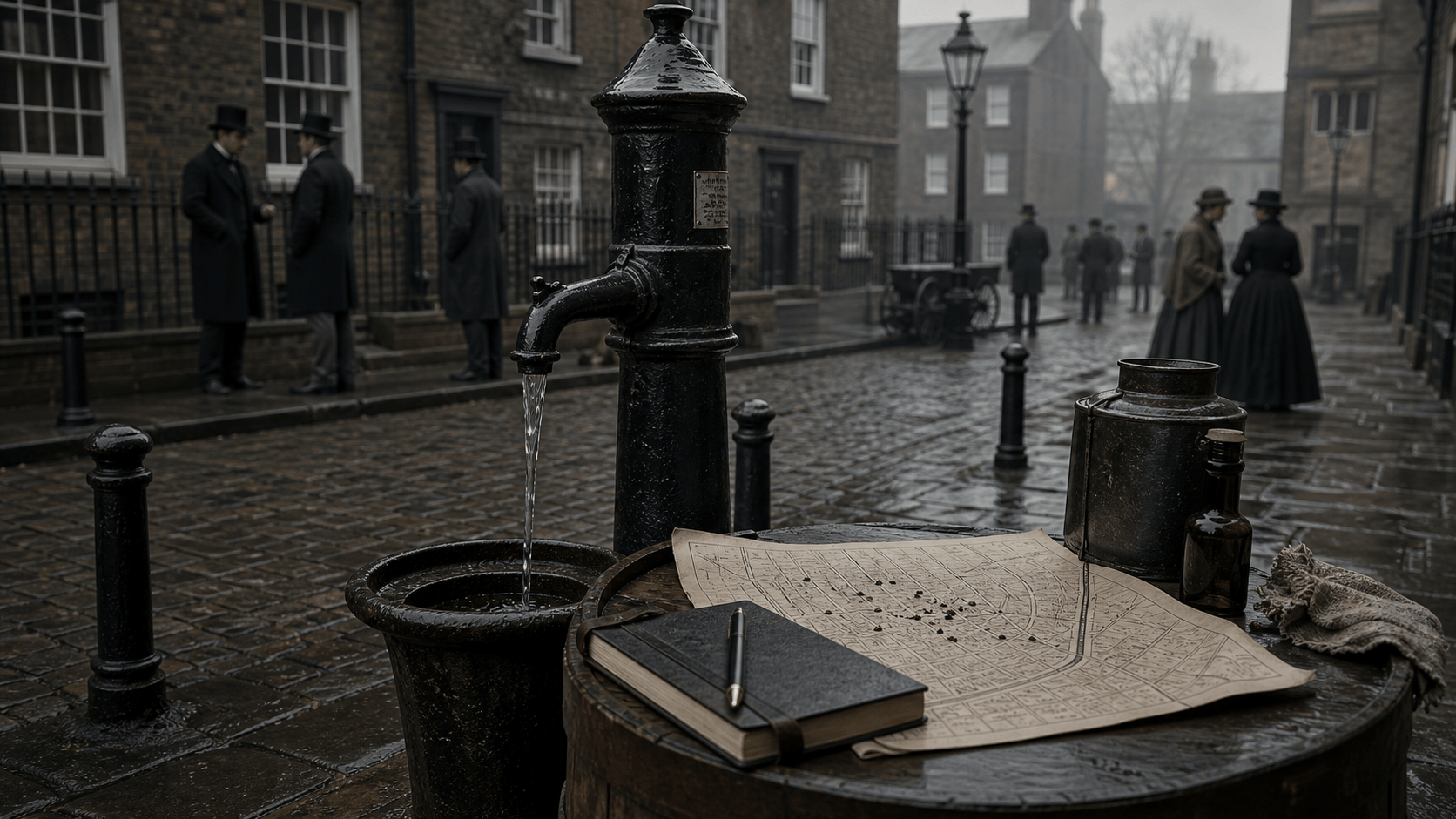
Cholera changed history by making one thing painfully clear…cities cannot just keep dumping waste wherever and hoping everyone stays healthy.
For a long time, people did not understand what caused cholera. They blamed bad air, foul smells, weather, moral weakness, and basically anything except the contaminated water quietly ruining everyone’s week.
The disease itself was brutal. Cholera could strike fast, causing severe dehydration and death in a terrifyingly short amount of time. In crowded cities with poor sanitation, it spread like it had somewhere to be.
Then came one of the most important public health breakthroughs in history.
In 1854, during a cholera outbreak in London, physician John Snow mapped cases around the Broad Street pump. He suspected the water supply was spreading the disease, not “bad air.” When the pump handle was removed, the outbreak slowed. It became one of the most famous moments in epidemiology, which is the science of figuring out why everyone is suddenly having a terrible time.
Cholera helped push cities toward cleaner water systems, better sewage management, and modern public health planning. It changed how people thought about disease, data, maps, and infrastructure.
It also proved that sometimes the most heroic medical tool is not a miracle drug.
Sometimes it is plumbing.
#2 The Black Death
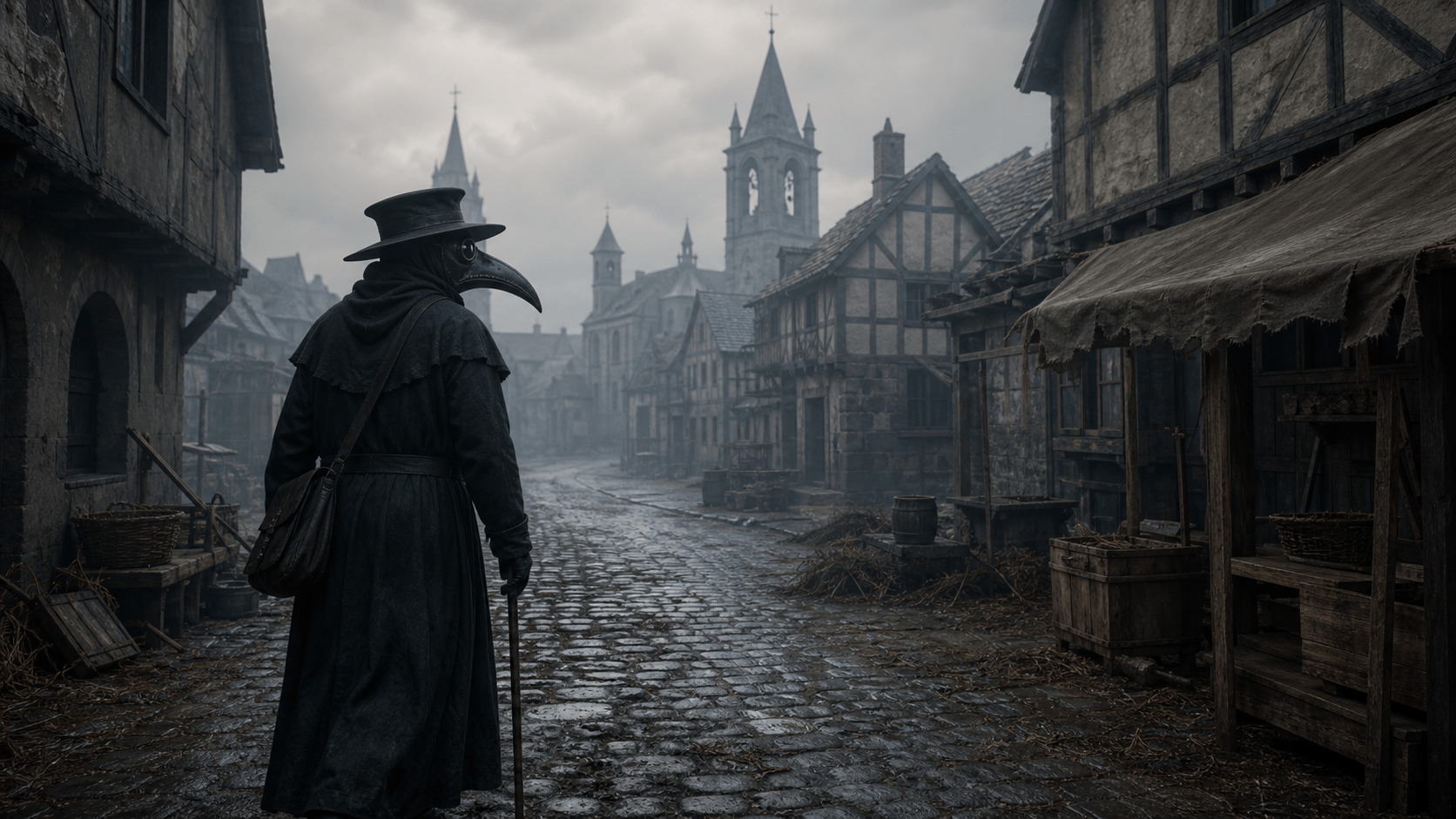
The Black Death did not just change history. It walked into the 1300s and rearranged the furniture with a flamethrower.
Between 1347 and 1351, the plague tore through Europe, killing a massive share of the population. Exact numbers are debated, because medieval record keeping was not exactly a spreadsheet with cloud backup, but the scale was catastrophic.
Villages emptied. Families vanished. Trade slowed. Farms were abandoned. Cities filled with fear, rumors, and desperate attempts to explain what was happening. People blamed bad air, divine punishment, outsiders, planetary movements, and basically anything except the actual bacteria and fleas, who were somehow getting away with the worst public relations campaign in history.
But the Black Death did not only bring death. It changed the structure of society.
With so many workers gone, labor became more valuable. Surviving peasants and workers could demand better wages and conditions. Landowners, who had been very comfortable with the old system, reacted about as calmly as you would expect.
This helped weaken feudalism and shift power in parts of Europe. It also changed religion, medicine, art, burial practices, and the way people thought about life itself. When a disease wipes out entire communities, it tends to leave a mark on the imagination.
The Black Death was one of the darkest disasters in human history.
It was also a turning point.
Which is a grim reminder that history does sometimes move forward, but occasionally it does so by kicking the door in.
#1 Covid-19
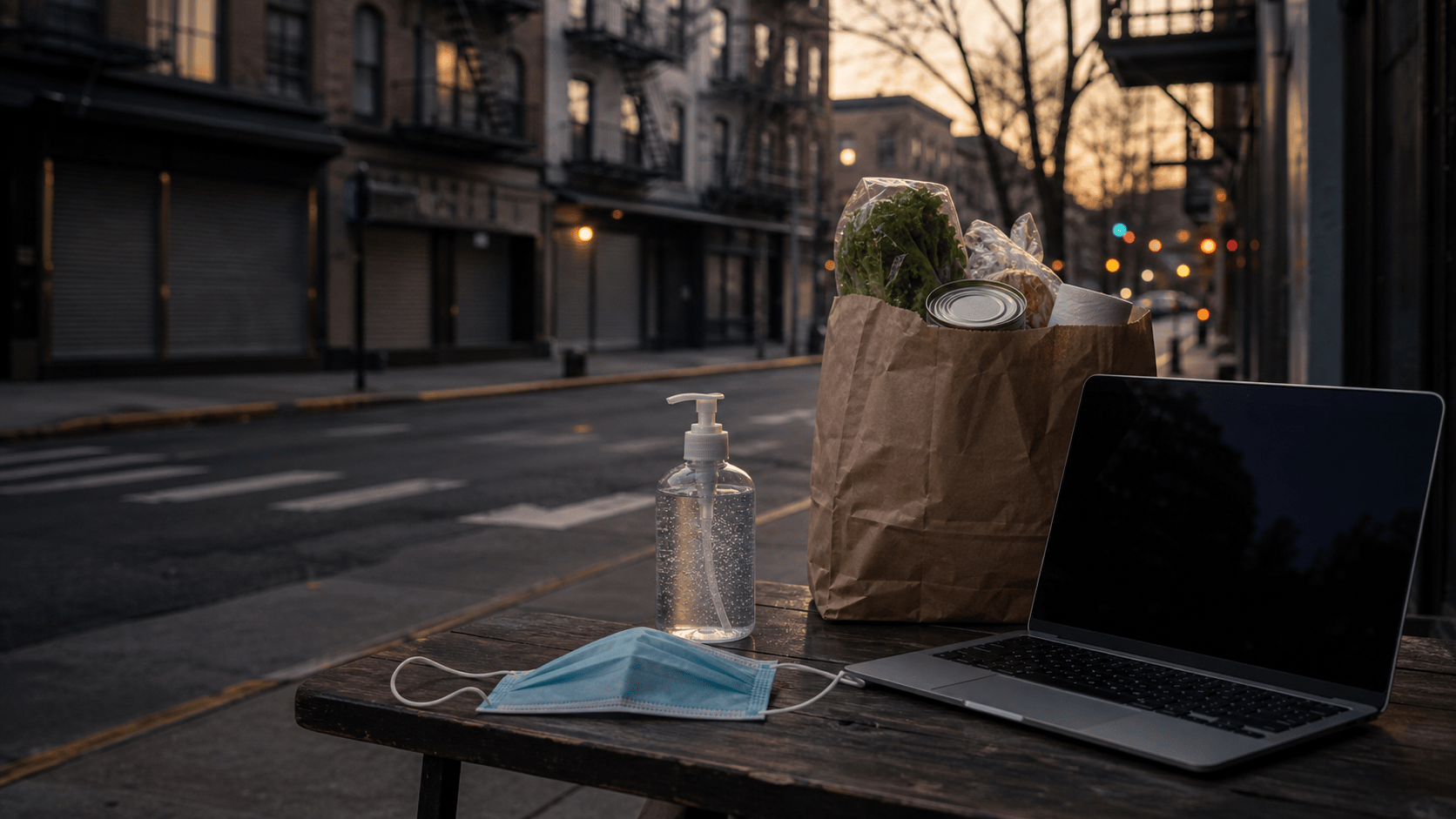
COVID-19 changed history in a way most people did not read about later. They lived through it.
It shut down cities. It emptied schools, offices, airports, stadiums, restaurants, and streets that had probably never been that quiet without a major weather event or a very suspicious parade permit situation.
Almost overnight, normal life became something people had to renegotiate. Work moved home. School moved online. Travel stopped. Masks became political symbols. Grocery shopping turned into a mission with hand sanitizer, arrows on the floor, and the strange feeling that everyone was silently judging everyone else’s distance from the bread aisle.
The virus exposed weak points that had been there all along. Hospitals were strained. Nursing homes became danger zones. Workers suddenly labeled “essential” often had the least protection. Public health guidance became part science, part politics, and part group chat argument that somehow lasted three years.
But COVID-19 also changed the future.
It accelerated remote work, Telehealth, vaccine technology, supply chain awareness, and public conversations about burnout, isolation, misinformation, and trust. It changed how people thought about illness, risk, community, and the invisible ways society depends on people showing up.
The hardest part is that COVID-19 still feels close. It is not sealed safely behind a museum display case. It belongs to recent memory, which makes it more uncomfortable than distant plagues with old paintings and dramatic names.
History usually gives us time before turning disaster into a chapter.
With COVID-19, the ink still feels wet.