

These psychology experiments reveal what happens when curiosity runs way ahead of ethics.
Psychology has given us a lot of useful insight into human behavior.
It also gave us a few experiments where the main lesson seems to be, “Maybe ask more questions before locking people in a fake prison.”
Some of these studies became famous because they revealed uncomfortable truths. Others became famous because they helped explain why modern research has rules, consent forms, and people whose entire job is saying no.
Here are five psychological experiments that would never be allowed today.
#5 The Milgram Experiment

The Milgram experiment began with a question that was already uncomfortable: how far would ordinary people go if an authority figure told them to keep going?
In the early 1960s, psychologist Stanley Milgram recruited participants for what they were told was a study about learning and memory. One person would act as the “teacher,” and another would be the “learner.” The teacher was instructed to give the learner electric shocks whenever they answered incorrectly.
But the setup was fake.
The learner was an actor. The shocks were not real. The participant did not know that. As the supposed shocks increased, the learner protested, complained about pain, and eventually went silent. When participants hesitated, the experimenter urged them to continue with calm phrases like “Please go on” or “The experiment requires that you continue.”
And many did.
That is the part that made the study famous. Milgram found that a surprising number of participants were willing to continue administering what they believed were dangerous shocks because someone in a lab coat told them to.
The study revealed something disturbing about obedience, pressure, and authority. But it also put participants through serious emotional stress. Some believed they had badly hurt another person. They were deceived, pushed, and left to deal with the realization afterward.
Milgram’s work is still discussed because it showed how powerful authority can be. But the study also left behind a harder question: when researchers study obedience, how much pressure are they allowed to use before the experiment becomes its own kind of harm?
#4 The Stanford Prison Experiment
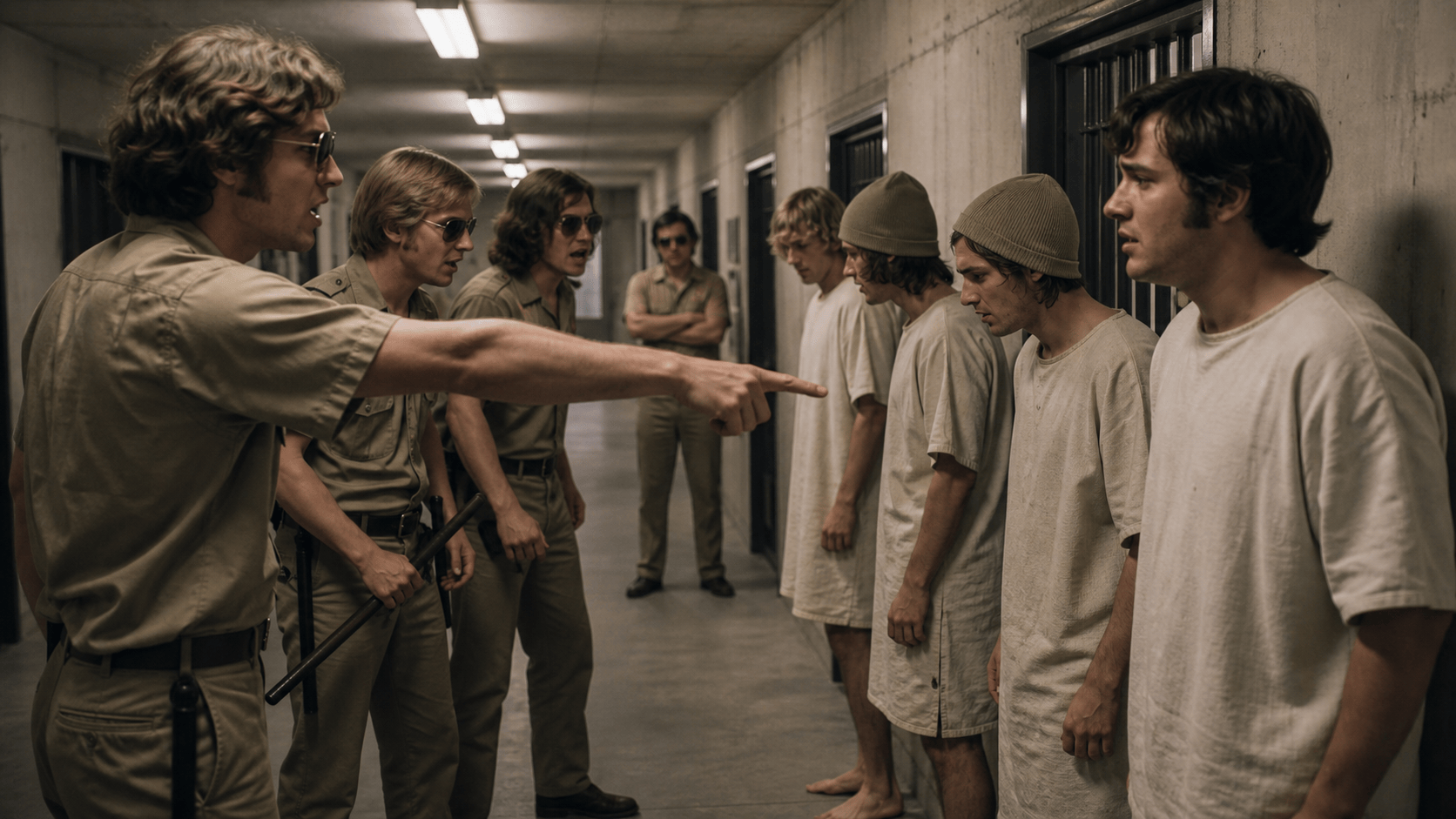
The Stanford Prison Experiment started with a simple setup and then became one of psychology’s most argued-about cautionary tales.
In 1971, psychologist Philip Zimbardo and his team created a mock prison in the basement of Stanford University’s psychology building. College students were randomly assigned to be either “guards” or “prisoners.” The idea was to study how people behaved when placed into roles with power, control, and confinement.
It did not take long for the situation to deteriorate.
Some of the guards became harsh and controlling. The prisoners showed signs of distress. The experiment, which was supposed to last two weeks, was stopped after six days.
For years, the study was presented as evidence that ordinary people could quickly become abusive when placed in certain roles and systems. That idea is still powerful. But the experiment itself has been heavily criticized. Researchers have questioned how much the guards were influenced by the instructions they received, how realistic the setup was, and whether the conclusions were overstated.
That matters.
A study about power becomes much messier when the people running it may have helped shape the behavior they later claimed to observe.
The Stanford Prison Experiment still gets talked about because it is dramatic, disturbing, and easy to summarize. But that may also be part of the problem. The cleaner the story sounds, the more carefully you have to look at what actually happened.
#3 The Monster Study
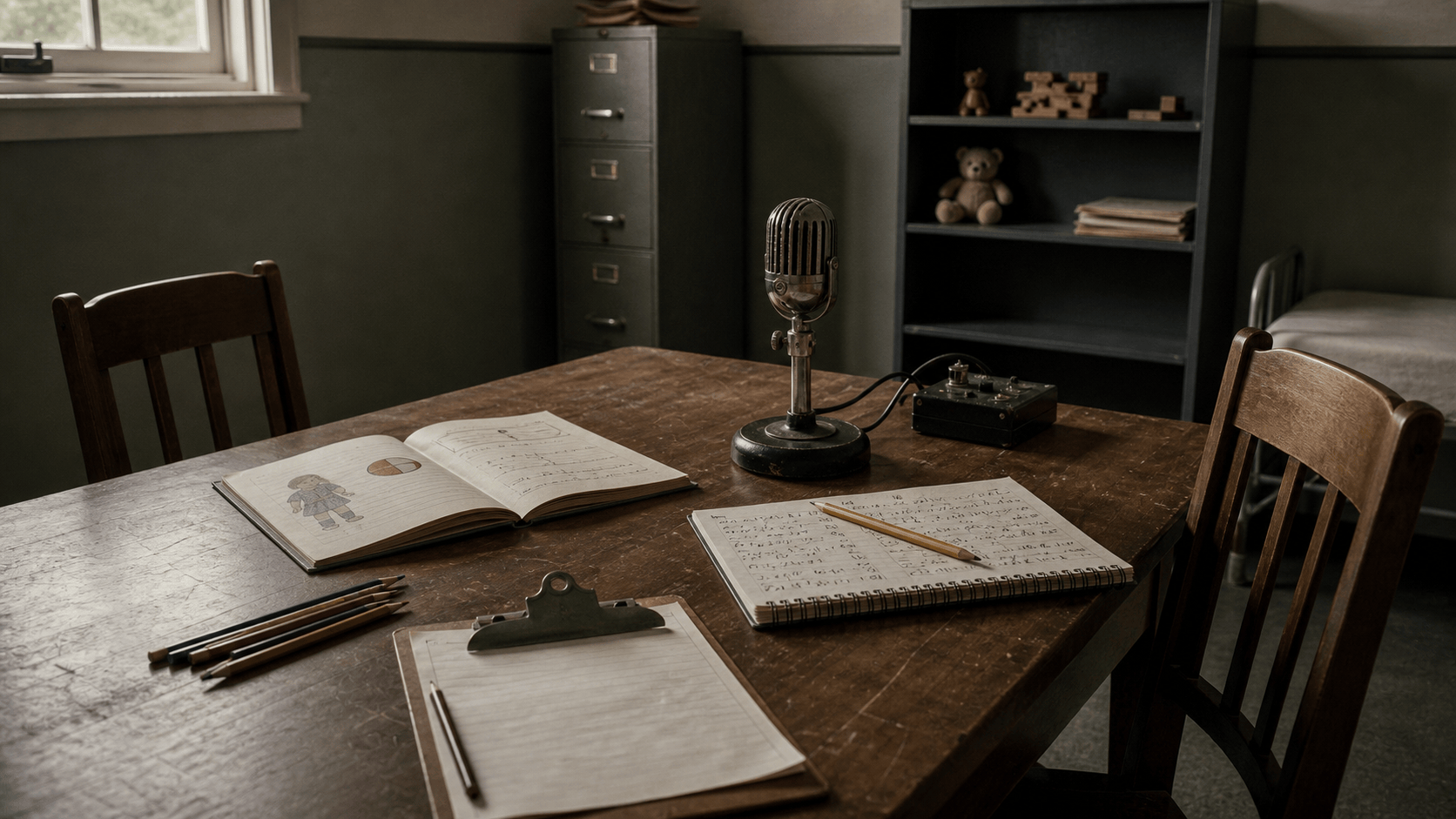
The Monster Study has one of those names that sounds like it came from critics afterward, because surely no one would call their own study that.
But no, the name fits.
In 1939, researchers at the University of Iowa conducted a speech experiment on children at an orphanage. Some of the children already had speech difficulties. Others did not. The researchers gave some children positive feedback about their speech, while others were criticized, corrected, and told they were showing signs of stuttering.
The goal was to see whether negative labeling and pressure could affect speech.
The result was exactly as uncomfortable as it sounds.
Some children who had spoken normally became anxious about speaking. Others showed lasting effects from the criticism. These were children without parents there to protect them, placed in a study they could not really understand or refuse.
That detail is hard to move past.
The study did not become widely known until decades later, and the University of Iowa eventually apologized. It remains one of the clearest examples of how research can cross a line when vulnerable people are treated like convenient test subjects.
The Monster Study is remembered because it was not just about speech.
It was about what happens when adults decide a child’s confidence is acceptable research material.
#2 The Little Albert Experiment
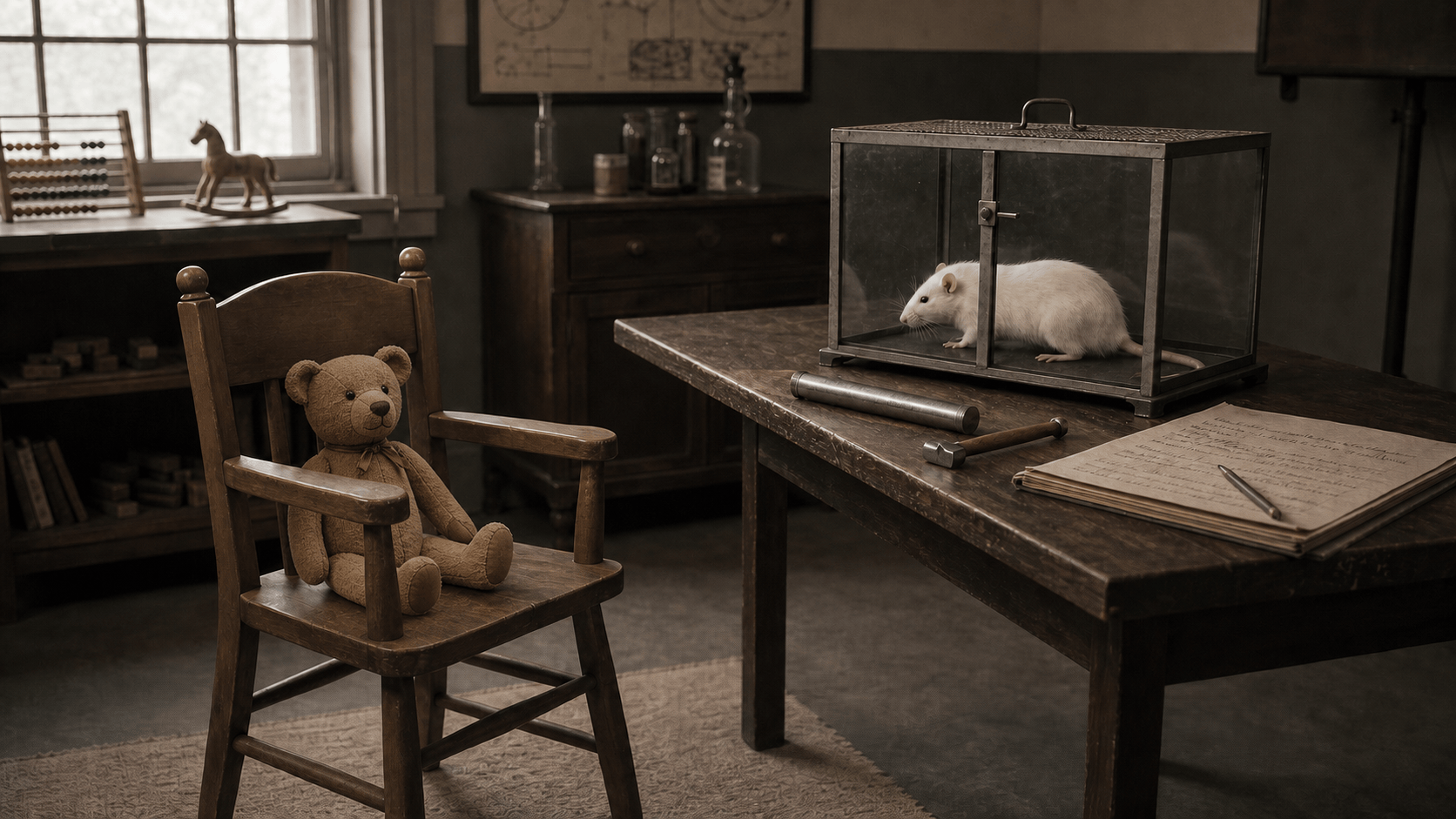
The Little Albert experiment is one of psychology’s most famous examples of a study that feels almost impossible to imagine happening today.
In 1920, psychologist John B. Watson and graduate student Rosalie Rayner worked with a baby known as “Little Albert.” At first, Albert was shown things like a white rat, a rabbit, a dog, and other objects. He did not seem especially afraid of them.
Then the researchers paired the white rat with a loud, frightening noise.
After repeated pairings, Albert began to cry and show fear when he saw the rat, even without the noise. His fear also appeared to spread to similar things, including other furry objects.
The study was meant to show that fear could be learned through conditioning. Scientifically, it became an important example in behaviorism. Ethically, it is hard to read without wanting to reach through history and ask everyone in the room what exactly they thought they were doing.
The biggest problem is obvious: Albert was a baby. He could not consent. He could not understand what was happening. And there is no clear evidence that the researchers successfully removed the fear they had created before the study ended.
That is why the Little Albert experiment still gets discussed today. It showed something important about learned fear. But it also left behind the uncomfortable part people remember most: a baby was frightened on purpose, and the study moved on.
#1 The Tuskegee Syphilis Study
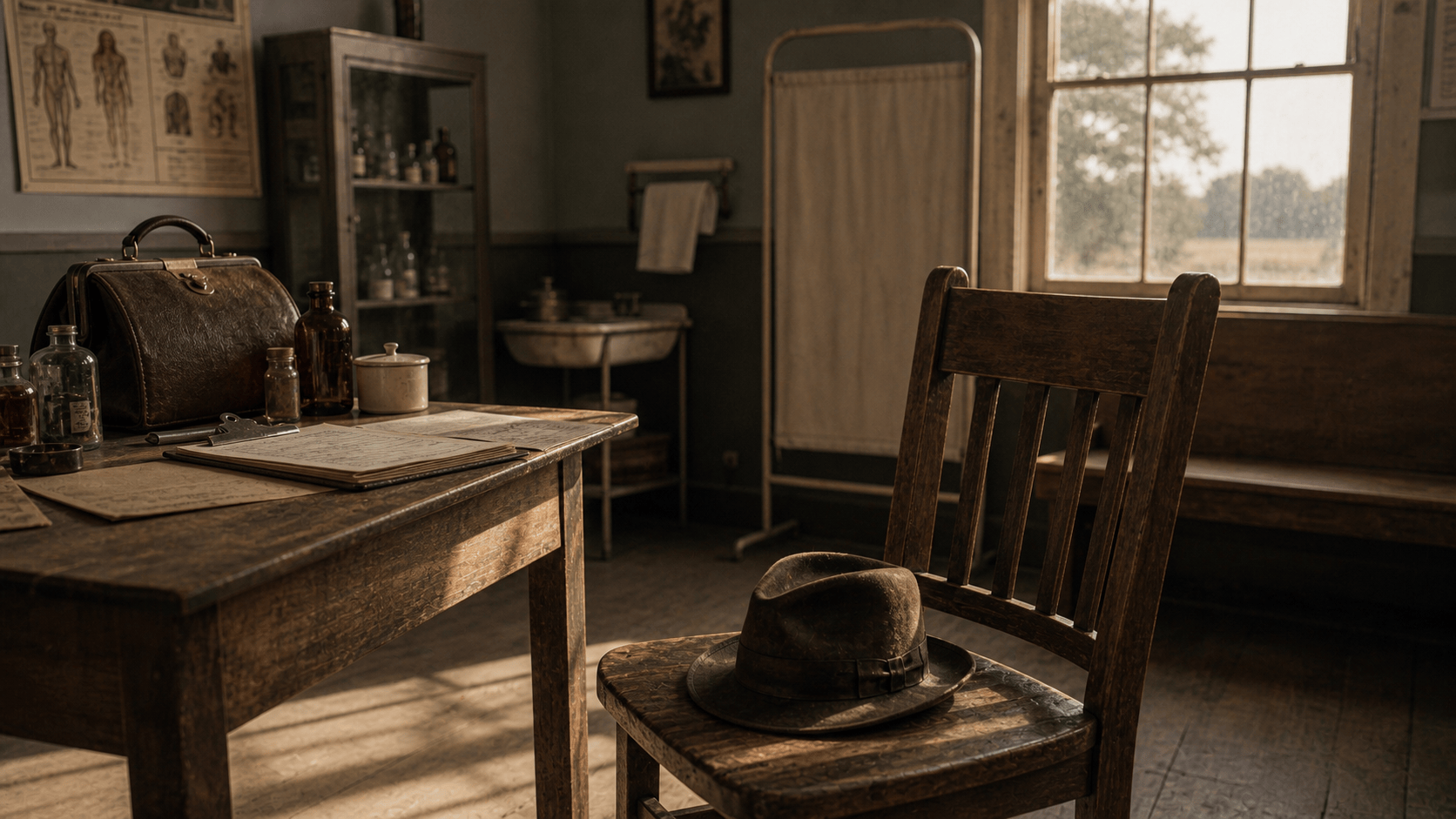
The Tuskegee Syphilis Study is not just one of the most unethical studies in psychology or medicine. It is one of the clearest examples of what happens when institutions decide some people matter less than the research.
The study began in 1932 in Macon County, Alabama. Hundreds of Black men, many of them poor sharecroppers, were recruited by the U.S. Public Health Service. Some had syphilis. They were told they were being treated for “bad blood,” a vague phrase that covered all kinds of conditions.
They were not told the truth.
Even after penicillin became the standard treatment for syphilis in the 1940s, the men were not given proper treatment. Researchers continued observing the disease instead. The study went on for forty years, until it was exposed in 1972.
The damage was not abstract. Men suffered. Some died. Families were affected. Trust in medical institutions was deeply damaged, especially among Black communities that had already experienced generations of mistreatment.
There is no clever way to soften that.
Tuskegee matters because it shows how dangerous research becomes when consent, honesty, and basic human dignity are treated like obstacles. It did not just change ethics rules. It became a permanent warning about what can happen when authority is trusted without accountability.