

There is something deeply unfair about an entire city going missing and then leaving just enough clues to annoy everyone for centuries.
Here are seven lost cities people are still searching for, because apparently history was not satisfied with losing keys, names, and entire royal bloodlines. It had to misplace whole cities too.
Some of these places may have been real. Some may be exaggerated. Some may be legends built around real ruins, real disasters, or real human wishful thinking with better scenery. Either way, they have left behind enough clues, rumors, and stubborn questions to keep explorers, archaeologists, and internet rabbit-hole enthusiasts busy.
A lost city is not just a place on a map.
It is a question that learned how to hide.
#7 Thinis
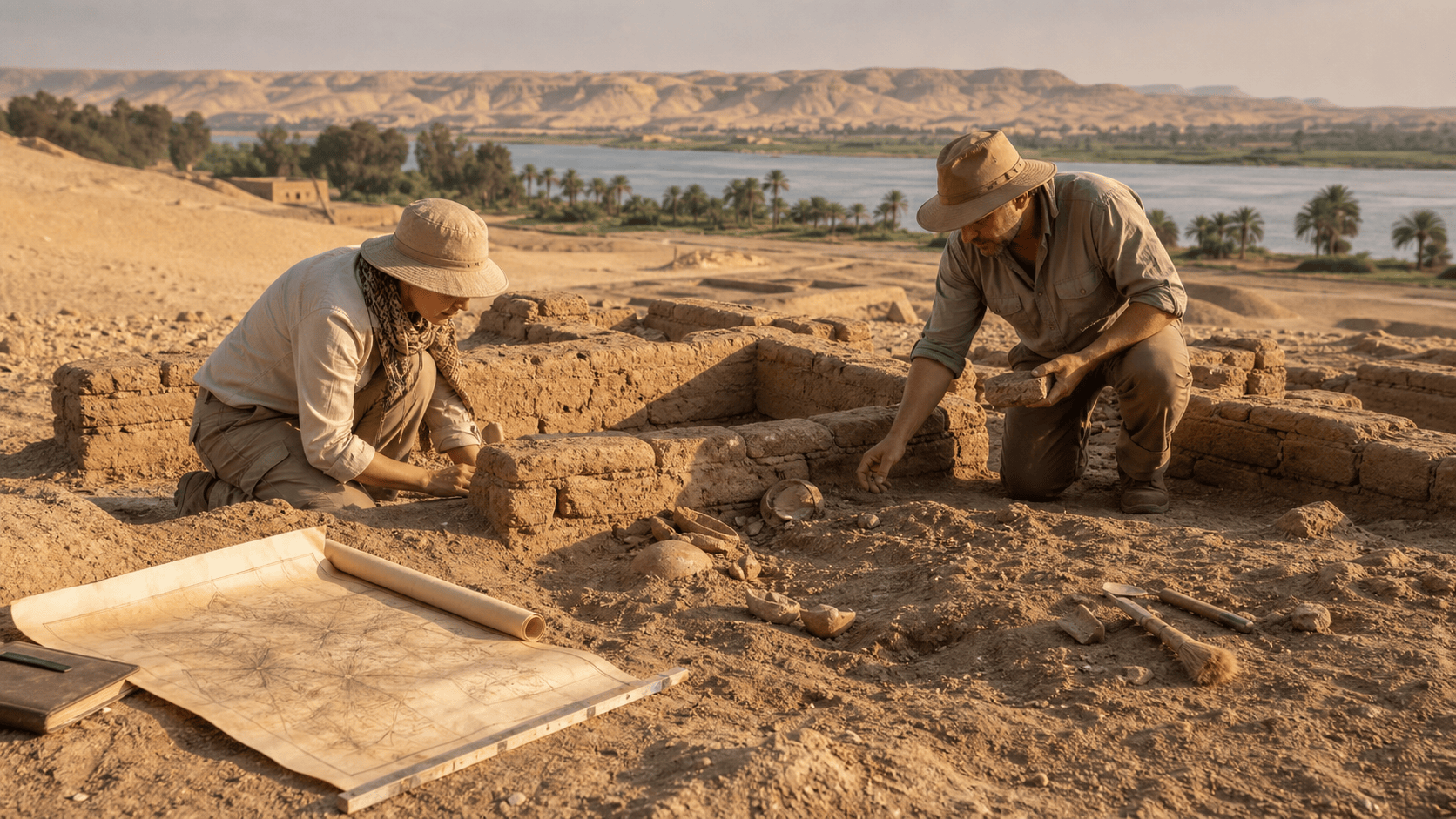
Thinis is one of those lost cities that sounds like it should be easier to find than it is.
It was not some tiny settlement mentioned once and then forgotten by everyone except the most determined footnote collectors. Ancient writers connected Thinis to Egypt’s earliest dynasties, and it is often described as an important center before Memphis became the great capital of unified Egypt.
So yes, fairly important.
And yet, nobody has confidently found it.
Most scholars place Thinis somewhere near Abydos and modern Girga in Upper Egypt. That gives archaeologists a general neighborhood, which is helpful in the same way “somewhere near your keys” is helpful when you are already late.
The problem is that ancient cities do not always leave neat little labels behind. The Nile shifted. Settlements were built over. Mudbrick buildings dissolved back into the landscape. Later towns reused older materials because ancient people were very practical and not especially concerned about making future archaeology easier.
Thinis matters because it may have stood close to the beginning of Egypt’s dynastic story. It sits in that foggy zone where archaeology, early kingship, and ancient memory overlap.
That is what makes it so frustrating.
We are not looking for a random lost ruin. We are looking for a city tied to the beginning of one of the world’s most famous civilizations.
And somehow, it is still playing hide-and-seek in the Nile Valley.
#6 Zerzura
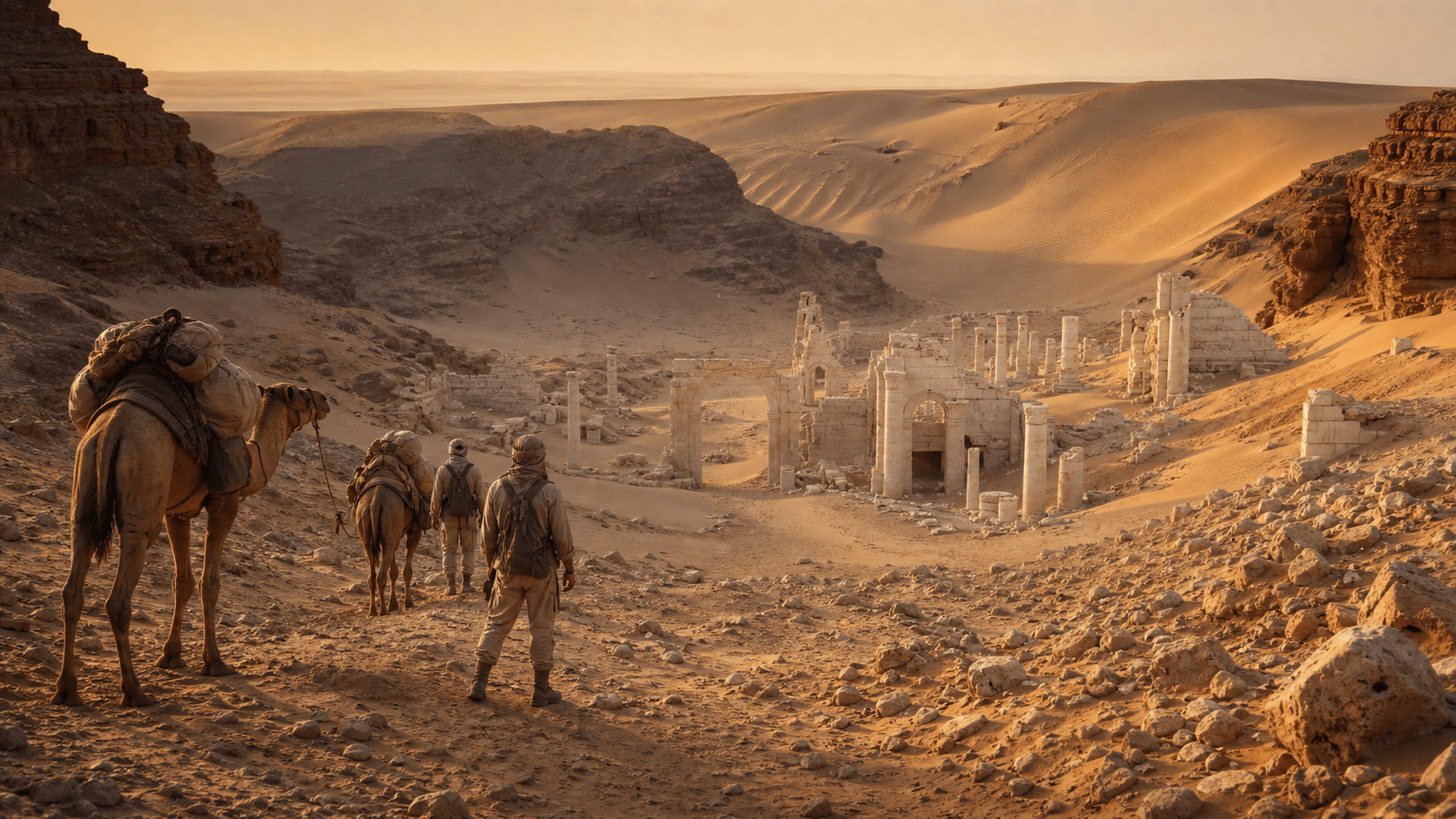
Zerzura is the kind of lost city that feels designed to torment explorers with heatstroke and hope.
According to legend, Zerzura was a “white city” hidden somewhere in the desert west of the Nile, often linked to the Libyan Desert or the Sahara. Stories described it as a place of pale stone, hidden valleys, treasure, and maybe even sleeping kings, because apparently a regular lost city was not being dramatic enough.
The problem is that deserts are very good at keeping secrets.
Unlike jungle ruins, which at least have the decency to be covered in suspicious greenery, a desert city can disappear under sand, erosion, distance, and centuries of people saying, “No, I’m sure it’s just over the next dune.”
In the 20th century, explorers became fascinated with Zerzura. Some searched for it using old Arabic texts, rumors, and desert routes. The legend helped inspire real expeditions into remote parts of North Africa. People looked for lost oases, hidden valleys, ancient tracks, and ruins that might explain where the story came from.
Did they find Zerzura?
Not exactly.
But they did find that the desert was far less empty than outsiders imagined. There were ancient routes, rock art, hidden water sources, and signs that people had moved through these “empty” landscapes for thousands of years.
That might be the real trick of Zerzura. Maybe it was a city. Maybe it was an exaggerated memory of an oasis. Maybe it was a story stitched together from several places until it became one perfect mirage.
Either way, people are still drawn to it.
Because few things are more annoying than a lost city that may not exist, hiding in a desert that absolutely does.
#5 Ciudad Blanca
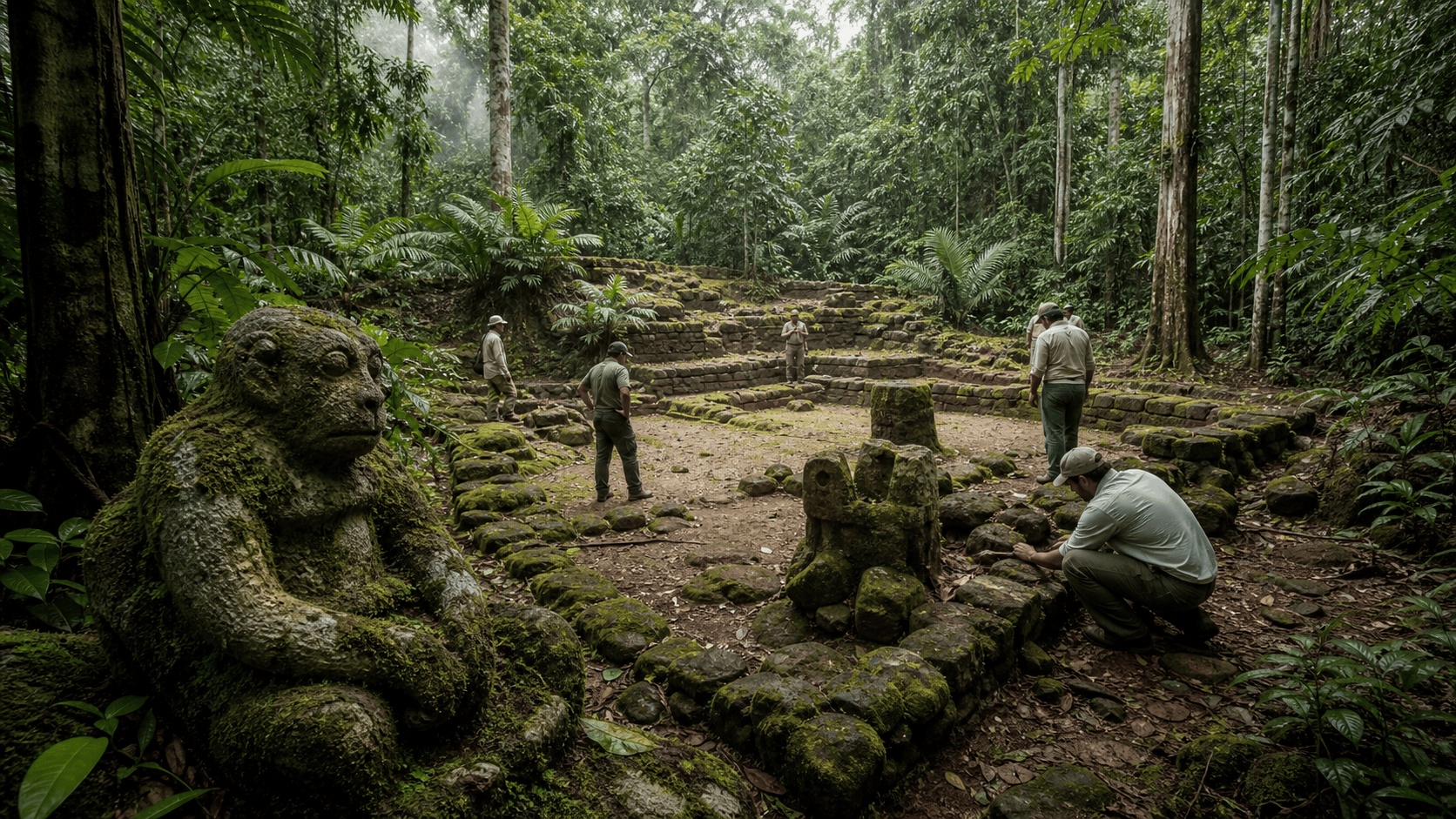
Ciudad Blanca sounds like the kind of place explorers would invent after too much jungle humidity and not enough sleep.
The name means “White City,” and it has long been tied to stories of a hidden settlement deep in the rainforests of Honduras. Some versions call it the “Lost City of the Monkey God,” which is an extremely dramatic title and honestly sounds like it came with its own movie trailer.
For decades, people searched for signs of it. The Honduran jungle did not make that easy. Dense vegetation, difficult terrain, heavy rain, and limited access turned the search into the kind of project that makes a normal person say, “Maybe the city can stay lost.”
Then things got more interesting.
In the 2010s, researchers used lidar, a scanning technology that can reveal shapes hidden under thick forest canopy. The scans showed evidence of large human-made structures in a remote region known as La Mosquitia. Later expeditions found plazas, earthworks, carved objects, and other signs of a significant pre-Columbian settlement.
That does not mean every legend about Ciudad Blanca was literally true. Lost-city stories tend to collect extra decorations over time, like history’s most exhausting souvenir shelf.
But in this case, the search did uncover something real: evidence of a complex society in a place outsiders had often treated as empty wilderness.
Ciudad Blanca is still fascinating because it sits in the space between legend and archaeology. The myth may have been inflated. The name may be messy. The “Monkey God” part may be more adventure-story seasoning than clean history.
But under the jungle canopy, there really was something there.
Which, for a lost city legend, is a pretty solid way to win the argument.
#4 Paititi
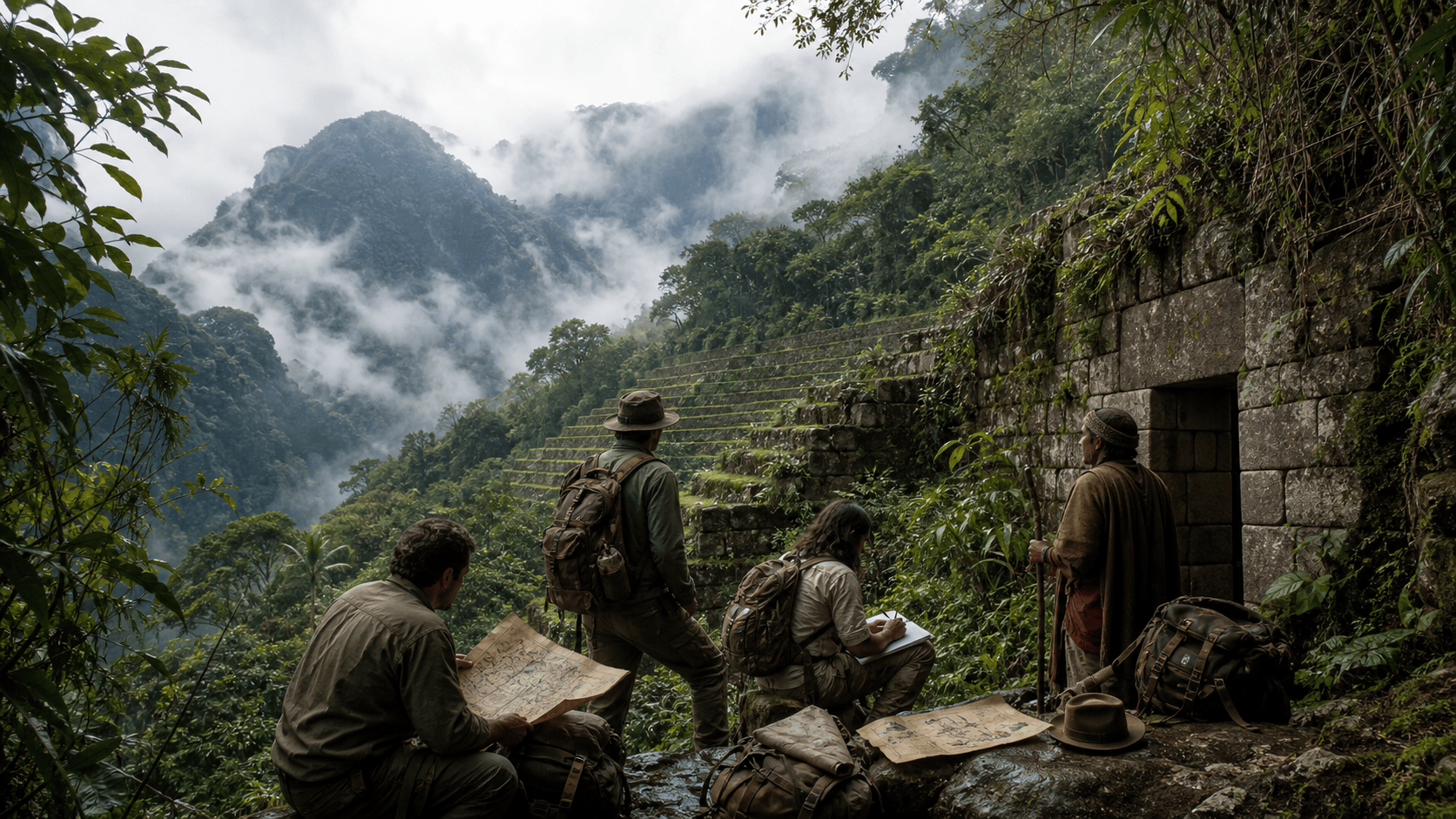
Paititi is one of those lost cities that refuses to behave like a normal historical mystery.
The basic idea is irresistible: somewhere in the Amazon or the Andes, there may be a hidden Inca city that escaped Spanish conquest. A place where wealth, knowledge, or surviving pieces of the empire were carried away and protected. That is the kind of story that makes explorers start packing badly and maps start looking smug.
Paititi appears in colonial-era accounts, Indigenous traditions, and later expedition stories. The details shift depending on who is telling it, which is usually a sign that the mystery has been fed a healthy diet of rumor, hope, and people squinting at mountains.
Still, the idea has never fully gone away.
Part of the reason is geography. The eastern slopes of the Andes and the western Amazon are enormous, difficult, and not exactly eager to be searched. Dense jungle, steep terrain, rivers, landslides, and remote valleys all make the region a very effective hiding place. If a city wanted privacy, it could do worse.
Modern researchers and explorers have searched for Paititi using old documents, satellite imagery, oral histories, and expeditions into remote areas of Peru and Bolivia. Some discoveries have pointed to impressive Inca and pre-Inca sites in the broader region, but none has been universally accepted as “the” Paititi.
And maybe that is part of the problem.
Paititi might not be one neat lost city waiting for someone to trip over the front gate. It could be a memory of several places. It could be a real settlement transformed by legend. It could be the Inca world, retreating into the landscape and becoming harder to separate from story.
That makes it frustrating.
It also makes it hard to stop looking.
#3 Iram Of The Pillars
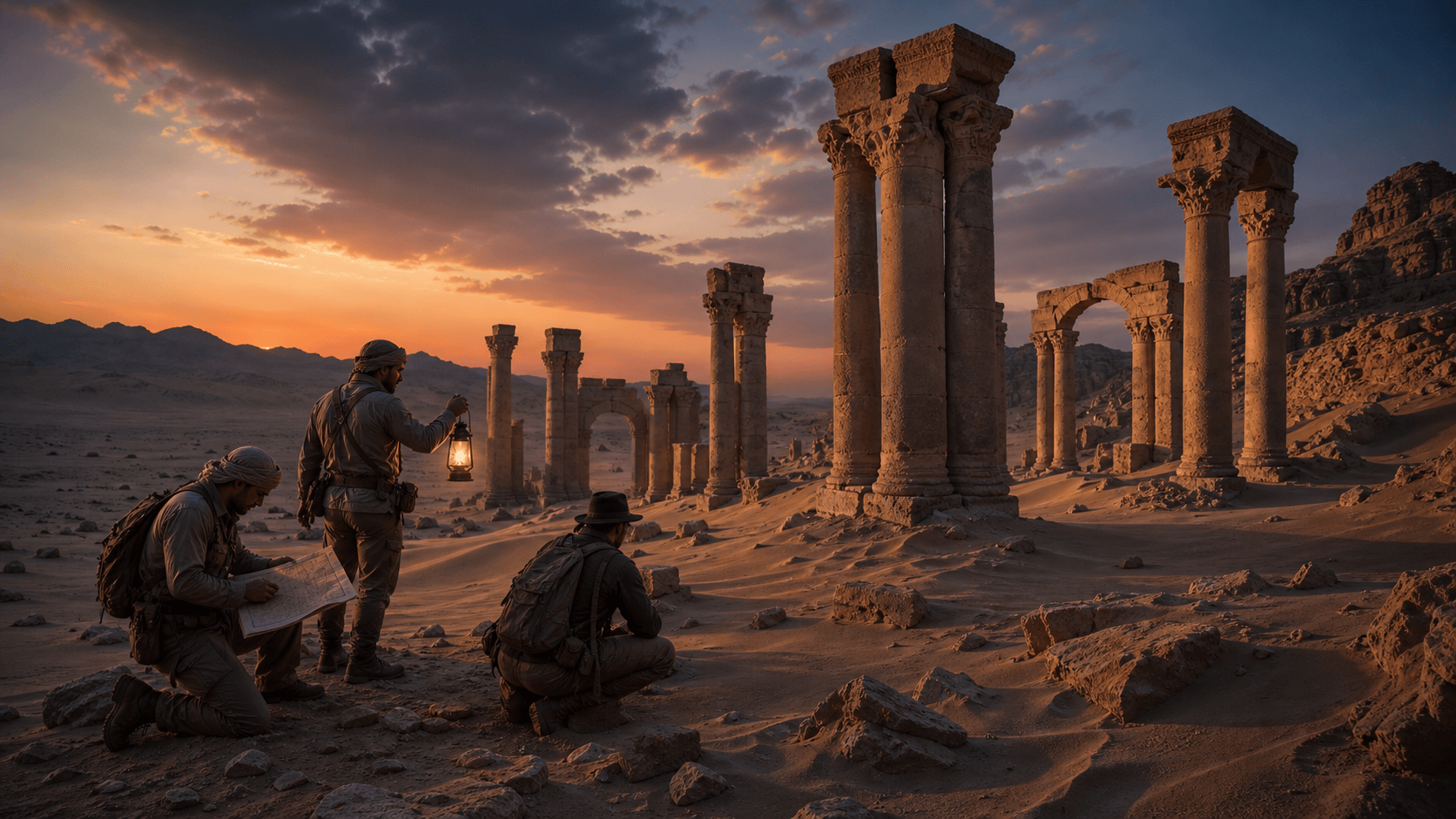
Iram of the Pillars is a lost city with the kind of name that immediately sounds like it should be written on an ancient map in ink that causes problems.
It appears in Islamic tradition and is often connected to the people of ‘Ad, a powerful civilization said to have lived in a city of towering pillars. According to the story, Iram was wealthy, proud, and impressive enough that subtlety apparently packed a bag and left.
Then it vanished.
Some versions describe Iram as being swallowed by the desert after its people ignored warnings and became arrogant. Others treat it as a symbol, a warning, or a memory of something real that became larger over time.
That is where things get interesting.
For years, people have tried to connect Iram with real archaeological sites in the Arabian Peninsula. One of the most famous candidates is Ubar, sometimes called the “Atlantis of the Sands,” linked to ancient trade routes and the frankincense trade. In the 1990s, satellite imagery and archaeological work drew attention to ruins near Shisr in Oman. Some believed this could be connected to the Iram legend.
But as usual, the story did not politely resolve itself.
The site may have been an important caravan stop rather than a grand lost city. The “Atlantis of the Sands” label may have done what catchy labels often do: arrived loudly, made everything more exciting, and then left historians cleaning up the room.
Still, Iram remains powerful because it sits right between scripture, legend, trade history, and desert archaeology. Maybe it was a real place. Maybe it was a warning wrapped in architecture. Maybe it was several memories fused into one shining city of pillars.
Whatever it was, the desert has kept just enough of the mystery to make people keep looking.
#2 El Dorado
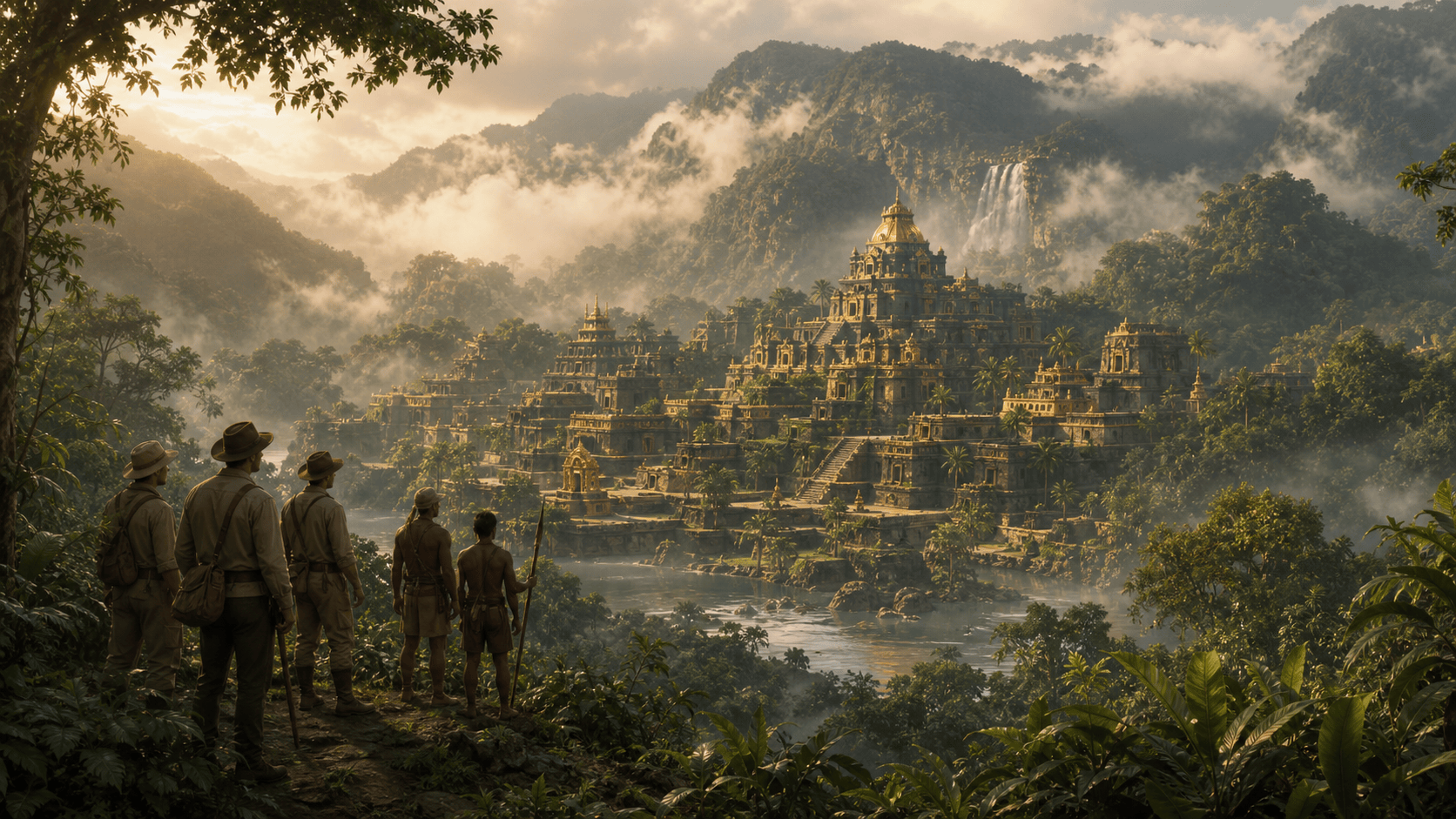
El Dorado is probably the most expensive misunderstanding in lost-city history.
The legend began with stories of a ruler covered in gold dust, not necessarily a golden city. In parts of present-day Colombia, accounts described a ritual where a leader would be coated in gold and make offerings into a sacred lake. That alone was dramatic enough. A person covered in gold walking into a lake is not exactly a subtle community event.
But European explorers heard “gold” and did what European explorers so often did: turned the volume up until everyone suffered.
Over time, El Dorado shifted from a golden man to a golden kingdom, then to a golden city hidden somewhere in South America. Expeditions pushed into jungles, mountains, rivers, and swamps chasing rumors of impossible wealth. People died. Indigenous communities were attacked or exploited. Maps got more confident than they deserved to be.
It became less of a place and more of a fever.
The strange part is that El Dorado did have a real seed. The Muisca ritual at Lake Guatavita helped inspire the legend. There really was gold. There really were ceremonies. But the city of gold that explorers imagined kept moving every time someone failed to find it, which is a very convenient feature for a legend and a very inconvenient one for anyone carrying supplies through a jungle.
People still talk about El Dorado because it reveals something uncomfortable. The mystery is not just whether a city existed. It is how badly people wanted it to.
A lost city of gold was powerful because it told explorers exactly what they wanted to hear.
History has rarely needed more encouragement to make bad choices.
#1 Atlantis
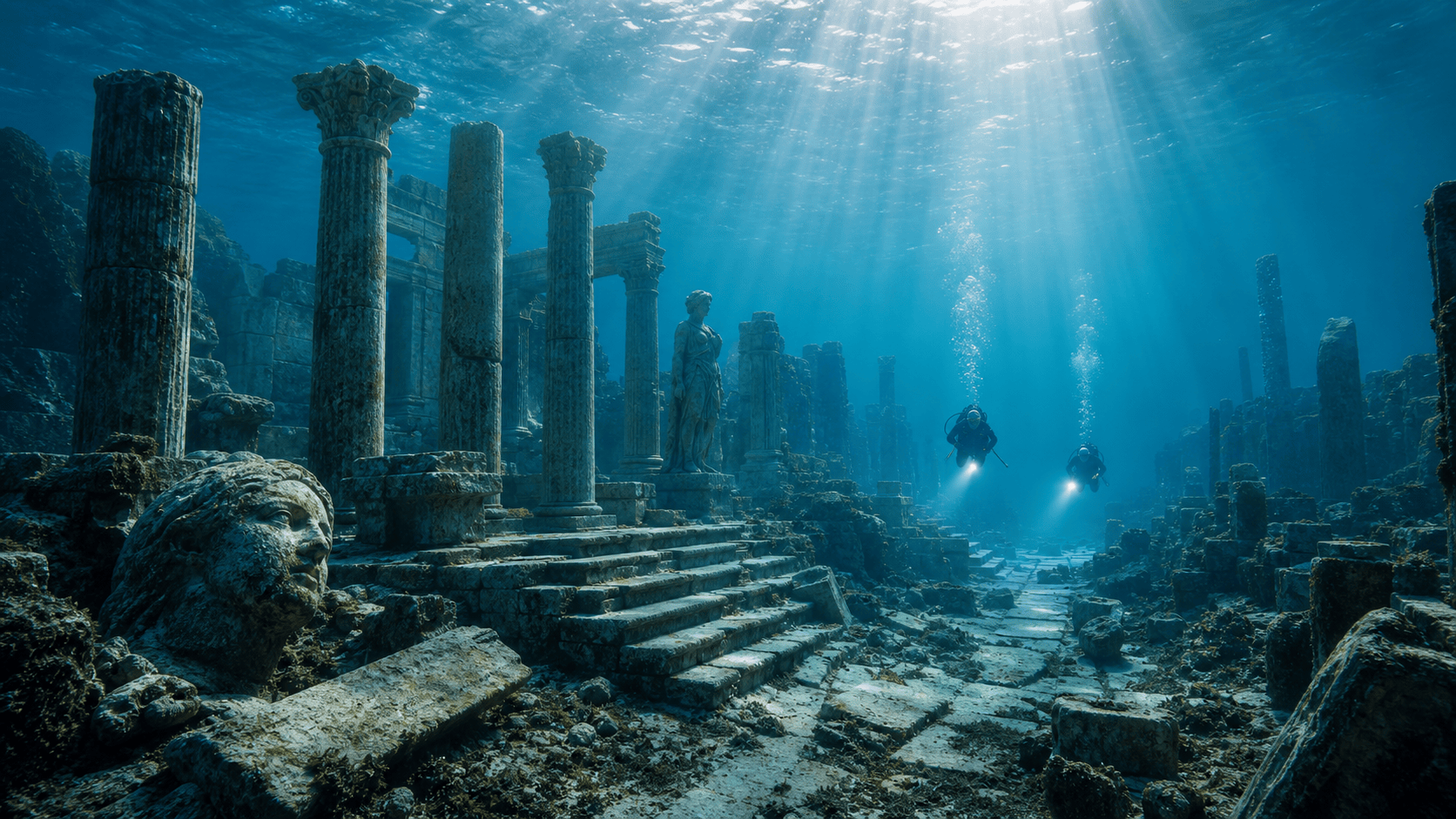
Atlantis is the lost city that basically ruined the curve for every other lost city.
It has everything: a powerful civilization, a sudden disaster, a sunken island, ancient mystery, and just enough vagueness to let people argue about it forever. If lost cities had a celebrity spokesperson, Atlantis would already have a manager and a very exhausting podcast.
The story comes from Plato, who wrote about Atlantis in the dialogues Timaeus and Critias. In his version, Atlantis was a wealthy and powerful island civilization that existed beyond the “Pillars of Heracles.” It became corrupt, tried to conquer other lands, and was destroyed in a single catastrophic event, sinking beneath the sea.
That is the important part: Plato is our main source.
Which makes Atlantis tricky. Some people read it as a real memory of an ancient disaster. Others see it as a philosophical story Plato used to make a point about power, pride, and moral decay. Ancient writers were very capable of using dramatic fictional examples, because apparently lectures also needed special effects.
Still, that has not stopped people from searching.
Over the centuries, Atlantis has been linked to the Mediterranean, the Atlantic, the Caribbean, Antarctica, and probably someone’s backyard if the documentary budget was low enough. Theories have connected it to volcanic eruptions, vanished islands, Bronze Age civilizations, and misunderstood geography.
Some ideas are interesting. Some are extremely not.
But Atlantis remains irresistible because it sits in the perfect mystery zone. There is enough ancient text to make it feel possible, enough disaster imagery to make it cinematic, and enough uncertainty to keep the argument alive.
Maybe Atlantis was a real place.
Maybe it was a warning dressed up as a drowned empire.
Either way, people are still looking for it.
Which is impressive for a city that may have been invented to make a point.
Leave a Reply