

Before medicine had consent forms, it had confidence. Terrible, terrible confidence.
Medicine has saved countless lives, which is important to say before we start pointing at history and asking what everyone thought they were doing.
Because for a very long time, “treatment” could mean almost anything. Remove some blood. Drink something poisonous. Swallow a radioactive tonic. Let a confident man in a white coat near your brain with tools that should have stayed very far away from everyone’s brain.
Some of these treatments were built on bad science. Some were sold with slick advertising. Some were pushed on vulnerable patients who had little power to refuse. And while the people using them may not have always understood the harm they were causing, the results were often brutal.
Here are five medical treatments from history that were basically crimes.
#5 Insulin Coma Therapy

Insulin is one of the most important medical discoveries of the 20th century. It has saved countless lives.
Naturally, history found a way to make that sentence take a hard left turn.
In the 1930s, some psychiatrists began using large doses of insulin to deliberately send patients into comas. The treatment was mostly used on people diagnosed with schizophrenia, though “diagnosis” in that era could be a fairly flexible word doing a lot of heavy lifting.
The process was intense. Patients were injected with insulin until their blood sugar dropped dangerously low. They could become confused, sweat heavily, convulse, or lose consciousness. Then doctors would try to bring them back with glucose. And then, in many cases, they would do it again. And again.
This was not a one-time procedure. Some patients went through dozens of coma sessions over weeks or months.
The idea was that these insulin-induced comas might somehow “reset” the brain. That is one of those medical theories that sounds almost reasonable until you remember the brain is not a frozen laptop.
By the mid-20th century, insulin coma therapy began falling out of favor as evidence failed to show it was worth the risks. Those risks included brain damage and death.
What makes it especially grim is who received it. Many patients were already vulnerable, institutionalized, and unable to meaningfully refuse. They were placed inside a system that could turn a dangerous experiment into a routine schedule.
Insulin itself was not the villain.
The villain was the confidence.
#4 Radium Health Products
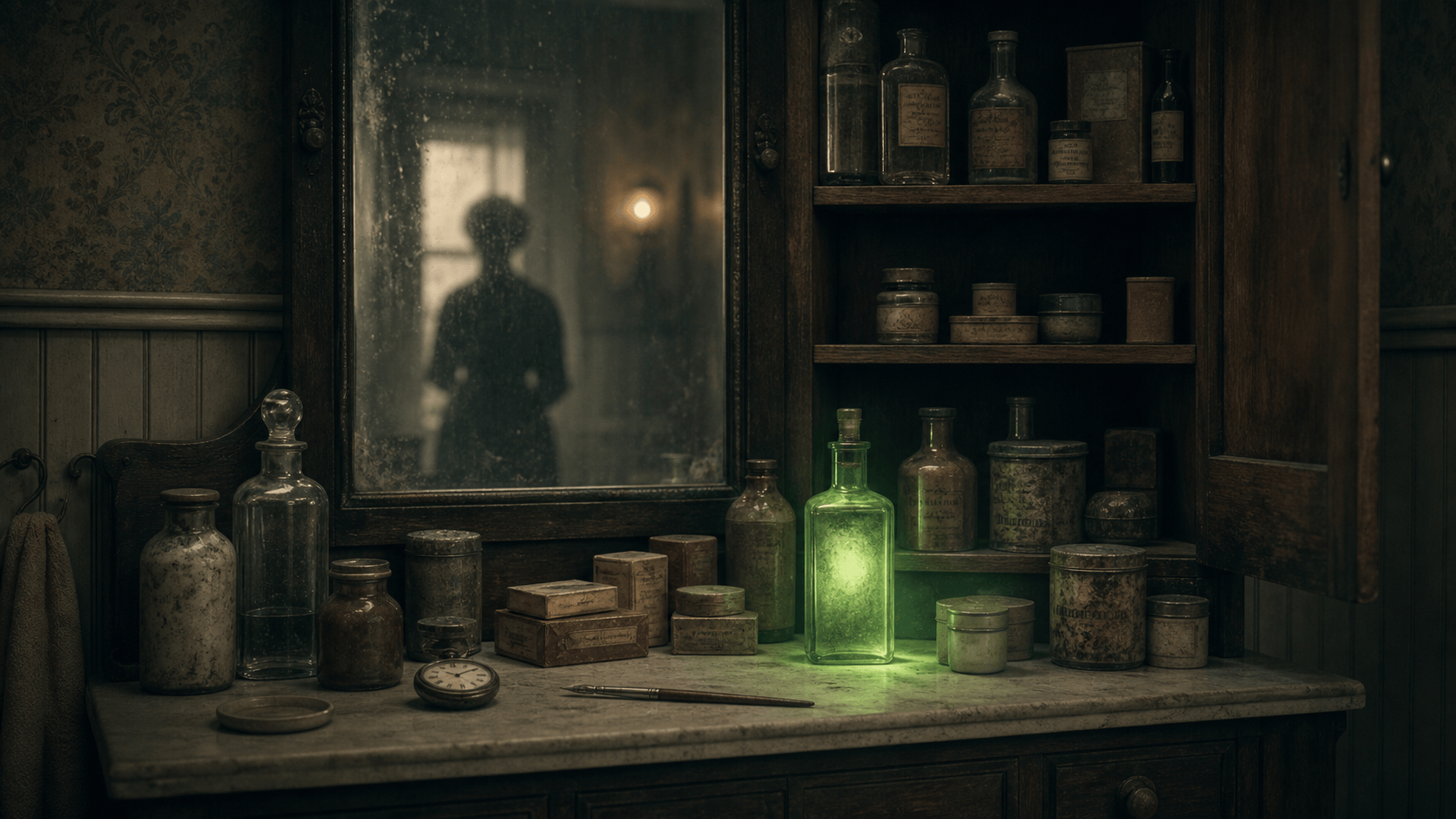
For a brief and deeply radioactive moment, people thought radium was the future of health.
To be fair, radium looked impressive. It glowed. It seemed futuristic. Scientists were excited about radiation. Companies saw the word “energy” and immediately began sprinting toward the nearest cash register.
Soon, radium was being added to products that had absolutely no business glowing. There were radium tonics, radium water, radium cosmetics, radium bath products, and devices that promised to make drinking water radioactive on purpose. Which is a sentence that should have been stopped halfway through by a sensible adult.
One of the most infamous examples was Radithor, a bottled “medicine” made with radium-laced water. It was sold as a cure for fatigue, pain, and other problems. The pitch was basically: feel tired? Try drinking invisible danger.
The consequences were horrifying. Industrial workers, especially the women known as the Radium Girls, suffered terrible illness after painting watch dials with radium paint. Some were told the material was safe. Some even shaped their brushes with their lips, because the workplace had apparently confused “glowing” with “fine, probably.”
Radium products eventually became a symbol of what happens when new science gets mixed with advertising, weak regulation, and a public that has not yet learned the hard lesson.
Just because something glows does not mean it is wellness.
Sometimes it means your bones would like a lawyer.
#3 Mercury Treatments

Mercury has a strange little talent: it looks like magic and behaves like a threat.
For centuries, doctors used mercury to treat a range of illnesses, most famously syphilis. It showed up in ointments, pills, vapors, and other treatments that sound less like medicine and more like a villain slowly opening a cabinet.
The logic was brutal but simple. Syphilis was terrifying, painful, and difficult to treat before antibiotics. Mercury could cause dramatic physical reactions, especially heavy sweating and salivation. To some doctors, that looked like the body was purging the disease.
Unfortunately, it was also being poisoned.
Patients treated with mercury could suffer mouth ulcers, tooth loss, tremors, kidney damage, neurological problems, and sometimes death. There was even a grim phrase tied to syphilis treatment: “A night with Venus, a lifetime with Mercury.”
That line is memorable. It is also doing a lot of work for a medical plan that could be summarized as: let’s fight one serious problem with another serious problem.
The worst part is that mercury treatment lasted for centuries. It survived because doctors had few good options, because some symptoms seemed to improve temporarily, and because medicine has always had a dangerous soft spot for treatments that look active.
Mercury did not cure the world.
It just made suffering look busy.
#2 Bloodletting

Bloodletting was one of history’s favorite medical answers, mostly because it could be used for almost any question.
Fever? Remove blood.
Headache? Remove blood.
Infection? Remove blood.
Already weak and pale? Somehow, yes, still remove blood.
For centuries, doctors believed the body was controlled by four humors: blood, phlegm, yellow bile, and black bile. If those humors were out of balance, illness followed. Bloodletting was supposed to restore that balance, which sounds tidy until you remember the method involved taking away the fluid your body is extremely attached to keeping.
Doctors used lancets, cups, and leeches. Sometimes they removed small amounts. Sometimes they removed alarming amounts. The practice was so common that it became part of routine medicine across Europe and beyond.
One of the most famous examples is George Washington. When he became severely ill in 1799, doctors drained a large amount of his blood within hours. Whether bloodletting directly caused his death is still debated, but it almost certainly did not help. That is a generous way of saying the treatment arrived with confidence and left with a body count.
Bloodletting survived for so long because it fit the medical theory of the time. It gave doctors something visible to do. And humans love a treatment that feels decisive, even when the decision is terrible.
Sometimes the scariest part of old medicine is not that people were wrong.
It is how organized they were about it.
#1 Lobotomies
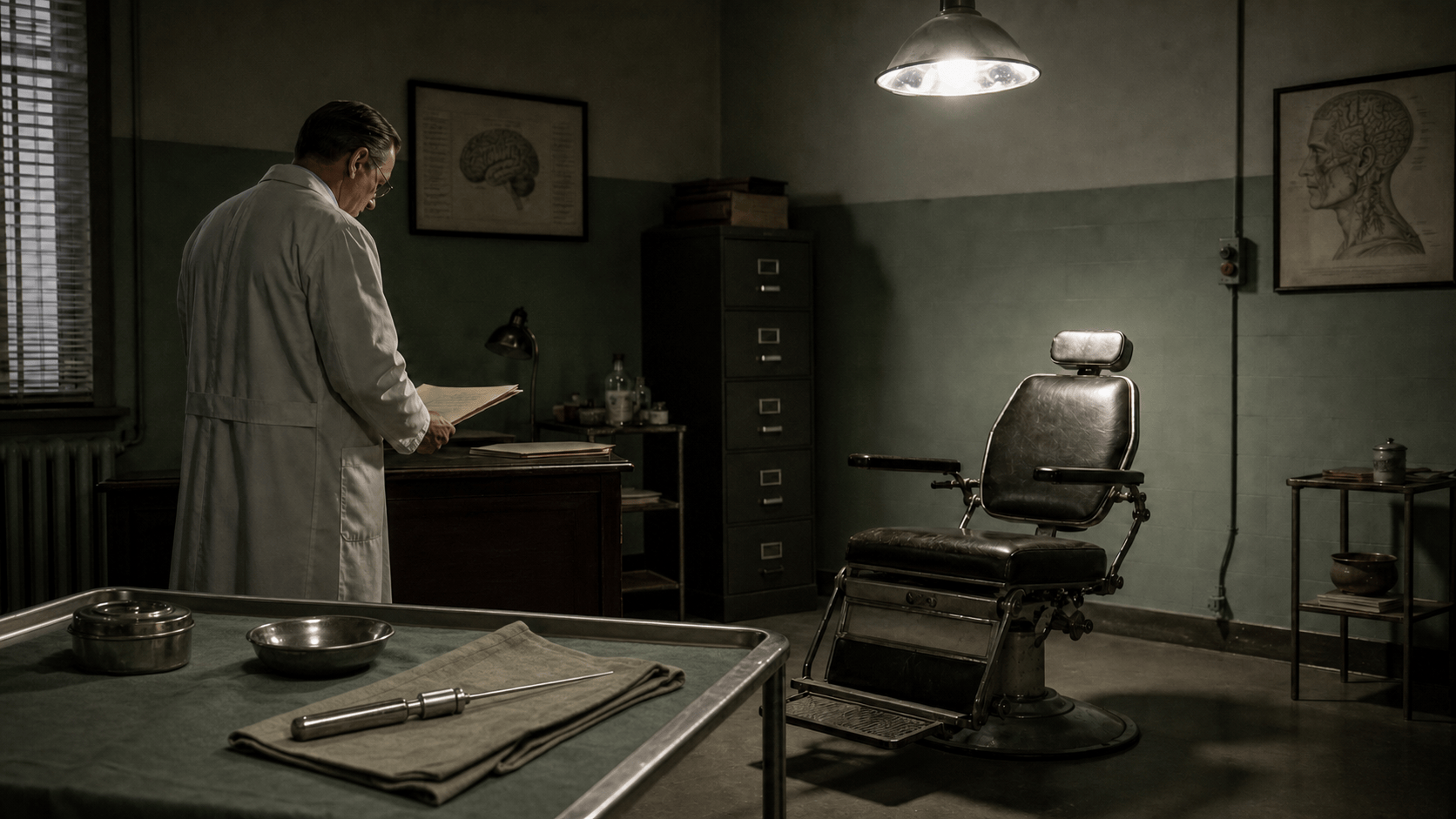
The lobotomy is one of the clearest examples of medicine walking into a room with confidence and leaving with a crime scene.
It was developed in the 1930s as a treatment for severe mental illness. The basic idea was to cut or damage connections in the brain’s frontal lobes, supposedly reducing symptoms in patients who had few other options.
That phrase, “few other options,” is important.
It is also where a lot of historical damage likes to hide.
Psychiatric hospitals were overcrowded. Treatments were limited. Families were desperate. Doctors wanted solutions. Into that mess came a procedure that promised calm, manageable patients. Not necessarily healed patients. Not restored patients. Manageable ones.
That difference matters.
In the United States, neurologist Walter Freeman became the most famous promoter of the lobotomy. He helped popularize the transorbital lobotomy, a procedure performed through the eye socket with an instrument that looked horrifyingly close to an ice pick. Freeman traveled widely performing lobotomies, sometimes in settings that were shockingly casual for brain surgery.
Patients could be left emotionally blunted, disabled, unable to care for themselves, or permanently changed. Some died. Others survived, but not as the same people they had been before.
And consent was often a disaster. Many patients were institutionalized, pressured, or unable to meaningfully refuse. Some were children. Some were people whose “symptoms” were wrapped up in social expectations, family conflict, or a system that had very little patience for anyone difficult to manage.
Lobotomies declined as psychiatric medications became more common and the harms became harder to ignore.
But the damage was already done.
The terrifying part is not just that lobotomies happened.
It is that, for a while, they were considered modern medicine.